Coimbatore
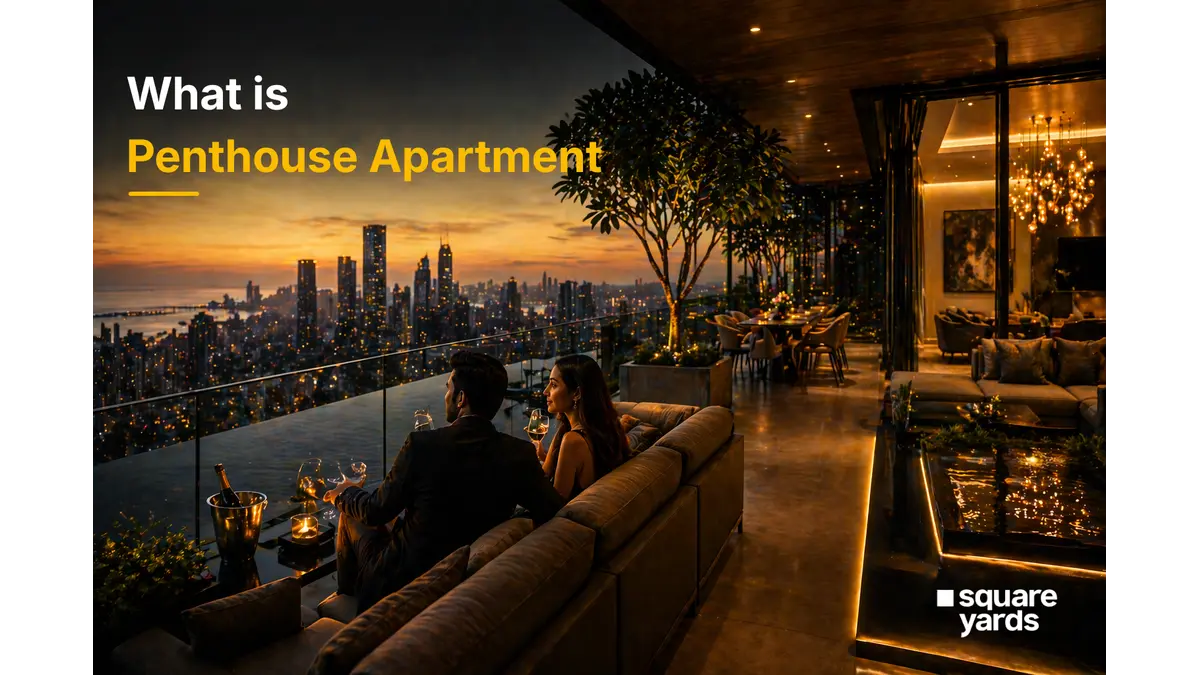
A penthouse apartment is a premium residential unit located on the topmost floor of a high-rise building, distinguished by private terraces or rooftop access, panoramic views, premium finishes, larger floor area, and exclusive features. In India, penthouses are positioned in the ultra-luxury residential segment and are available across metro cities in premium gated communities and iconic towers.
A penthouse apartment is one of the most coveted and exclusive residential assets in Indian real estate. Positioned on the topmost floor of a high-rise building, a penthouse is distinguished by its private terrace or rooftop garden, sweeping panoramic views, expansive floor area, and ultra-luxury finishes—setting it apart from standard apartments in the same building.
The term “penthouse” originates from the French word “pent” (lean-to) and originally referred to a small rooftop structure. In modern real estate, a penthouse represents the pinnacle of urban luxury living—designed for those who demand privacy, prestige, and space in a vertical residential setting.
In India, penthouses are typically found in premium residential towers in cities like Mumbai (Worli, Prabhadevi, Lower Parel), Delhi NCR (Gurugram, Noida), Bengaluru (Whitefield, Koramangala), and Hyderabad (Banjara Hills, Jubilee Hills). Prices range from ₹3 crore to upwards of ₹100 crore for ultra-luxury penthouses in iconic developments.
This comprehensive guide covers everything you need to know about penthouse apartments in India—their meaning, distinctive features, types, pricing, and key considerations before making this significant investment.
A penthouse apartment represents the ultimate expression of luxury urban living in India — combining private outdoor space, panoramic views, premium finishes, and exclusive amenities in a single, iconic residence. Whether you are seeking a prestigious primary residence or a trophy investment asset, understanding the features, pricing dynamics, and legal considerations of a penthouse purchase ensures you invest wisely.
Explore exclusive penthouse apartments for sale across India on SquareYards. Our luxury real estate specialists can curate a selection of RERA-registered penthouse properties matching your specifications, budget, and investment horizon.
A penthouse apartment in India is a premium residential unit located on the topmost floor of a high-rise building, featuring a private terrace or rooftop space, panoramic views, luxury finishes, and exclusive amenities. Penthouses are positioned in the ultra-luxury segment, priced from ₹3 crore to over ₹100 crore in major metro cities.
A penthouse differs from a normal flat primarily in its topmost-floor location, private terrace access, significantly larger floor area, premium materials and finishes, and exclusive building amenities. Normal flats occupy any floor of a building and share standard specifications. Penthouses command a premium of 30–100% over comparably sized regular flats in the same building.
A duplex penthouse is a luxury apartment that spans two floors — typically the topmost and second-to-top floors of a high-rise building — connected by an internal staircase. The lower floor typically houses living, dining, and kitchen areas, while the upper floor contains the bedrooms and private terraces. Duplex penthouses offer greater space, privacy, and an iconic architectural experience.
Penthouses can be excellent investments in supply-constrained premium locations. They appreciate significantly during luxury real estate cycles and command premium rental yields from HNI tenants and corporates. However, their liquidity is lower than mid-segment properties due to the niche buyer pool. They are best suited for HNI investors with a long-term (7–10 year) horizon.
Premium penthouses in India typically include private terrace or rooftop garden, dedicated parking (2–4 spots), private elevator lobby, concierge and valet services, sky lounge access, smart home automation, branded sanitary fittings, modular kitchen with premium appliances, and advanced security systems including biometric access.