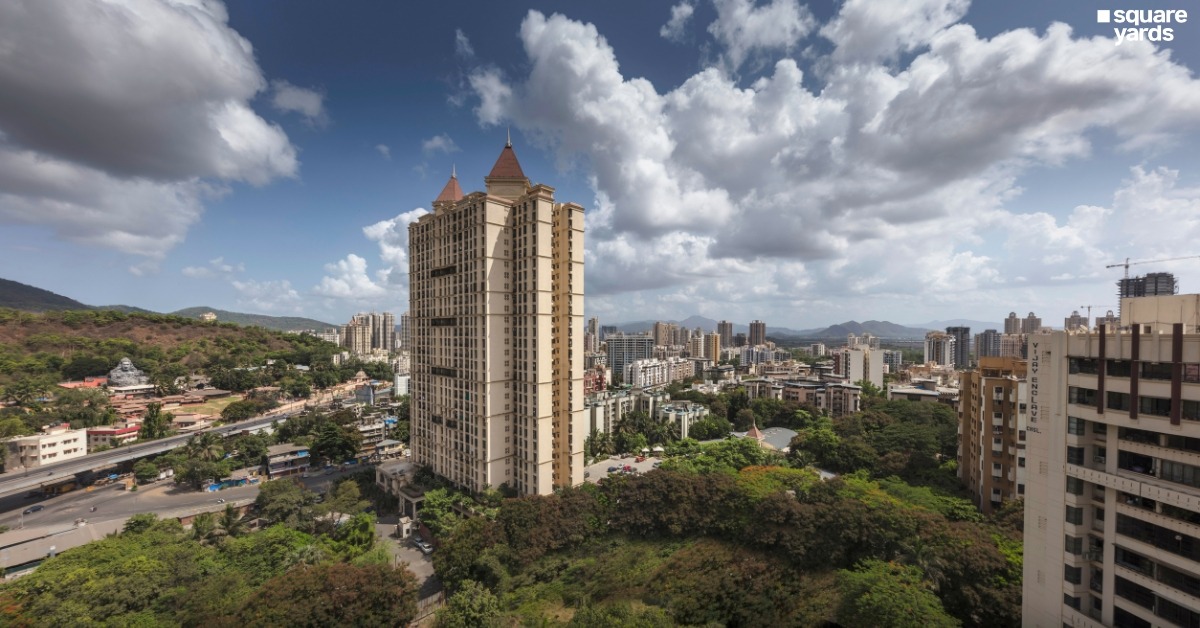
Thane is set to experience significant relief from chronic traffic congestion with the development of a six-lane coastal road corridor, along with an essential underground tunnel project to alleviate heavy traffic on Ghodbunder Road.
The Thane Coastal Road, officially known as the Balkum to Gaimukh NH-3 Connector, will span 13.4 kilometres and is designed as an access-controlled corridor to improve traffic flow along Thane Creek. This project, which is estimated to cost between ₹2,700 and ₹3,364 crore, is progressing rapidly, with over 50% of the foundation work already completed. The project’s target completion year is 2028. More than 8 kilometres of the corridor will be developed as an elevated viaduct, while the remaining sections will consist of at-grade roads and bridge components.
Underground Tunnel to Be Game-Changer
A key element of the broader infrastructure initiative is an underground tunnel planned along the Ghodbunder–Gaimukh stretch. This tunnel will act as a bypass for through traffic, enabling vehicles to avoid congested surface roads and significantly reduce travel time.
Additionally, the Thane–Borivali twin tunnel project, integrated into this network, is expected to reduce travel time between Thane and the western suburbs to nearly 15 minutes, down from as much as 2 hours during peak congestion.
Together, these projects aim to redirect long-distance and freight traffic away from Ghodbunder Road, which currently operates as both a local and regional transport corridor.
Decongesting Thane’s Biggest Artery
Ghodbunder Road, a key east-west connector linking the Eastern and Western Express Highways, has long struggled with severe congestion due to mixed traffic, including heavy vehicles and daily commuters.
Peak-hour traffic on short stretches often exceeds 45 minutes, while disruptions in one section can affect mobility across large parts of the city. The Thane Coastal Road is expected to create an alternative route for through traffic, particularly freight and long-distance vehicles travelling between NH-3 and the western suburbs.
This diversion could gradually reposition Ghodbunder Road into a more localised urban corridor rather than a mixed-use arterial route carrying both residential and freight traffic.
Integrated Infrastructure Push
The corridor will connect with several key infrastructure projects, including:
- The Thane Ring Metro
- The Saket–Amane elevated corridor
- The proposed Gaimukh–Bhayander link
- Future extensions towards Anand Nagar and Kopri
Authorities have stressed that such network integration is essential to ensure long-term traffic decongestion, not just temporary relief.
Faster Commutes, Better Freight Movement
The project aims to improve freight connectivity, particularly for vehicles heading to logistics hubs and ports, such as JNPT. By separating heavy vehicles from local traffic, officials hope to enhance safety and travel efficiency. This initiative is especially important as Thane continues to develop into a key logistics and warehousing hub within the Mumbai Metropolitan Region.
In the near term, commuters can look forward to reduced travel times and smoother journeys. Over the long term, the new infrastructure is expected to transform mobility patterns throughout Thane by providing alternative routes and decreasing reliance on a single corridor.
Real Estate Impact
Improved connectivity is also expected to influence real estate activity across key micro-markets such as Balkum, Kalwa, Kasarvadavali, Owale, and Gaimukh, particularly at the corridor’s entry and exit nodes.
Square Yards data show that Thane’s housing market remains active, with average property prices at around ₹15,509 per sq ft and rental yields near 4.18%. The city recorded nearly 52,980 property registrations worth ₹31,370 crore between April 2025 and March 2026, reflecting sustained demand from end users and investors.
However, experts note that infrastructure-led appreciation is likely to remain concentrated around well-connected nodes, major junctions, and areas with strong social and commercial infrastructure.
Challenges Remain
Despite steady progress, the project faces several challenges, including construction through environmentally sensitive mangrove zones and complex land acquisition in dense urban areas.
However, authorities maintain that advanced engineering solutions, such as elevated viaducts and underground tunnelling, are being used to minimise ecological impact.
A Long-term Shift in Urban Mobility
Experts believe that the Thane Coastal Road and its associated tunnel infrastructure represent a shift from fragmented road expansion to a more integrated, network-led urban transport strategy. While immediate benefits will include reduced congestion on Ghodbunder Road, the project’s long-term success will hinge on seamless connectivity with the broader transport network.
For Thane’s commuters, the message is clear: long traffic jams may soon give way to faster, more predictable journeys.