

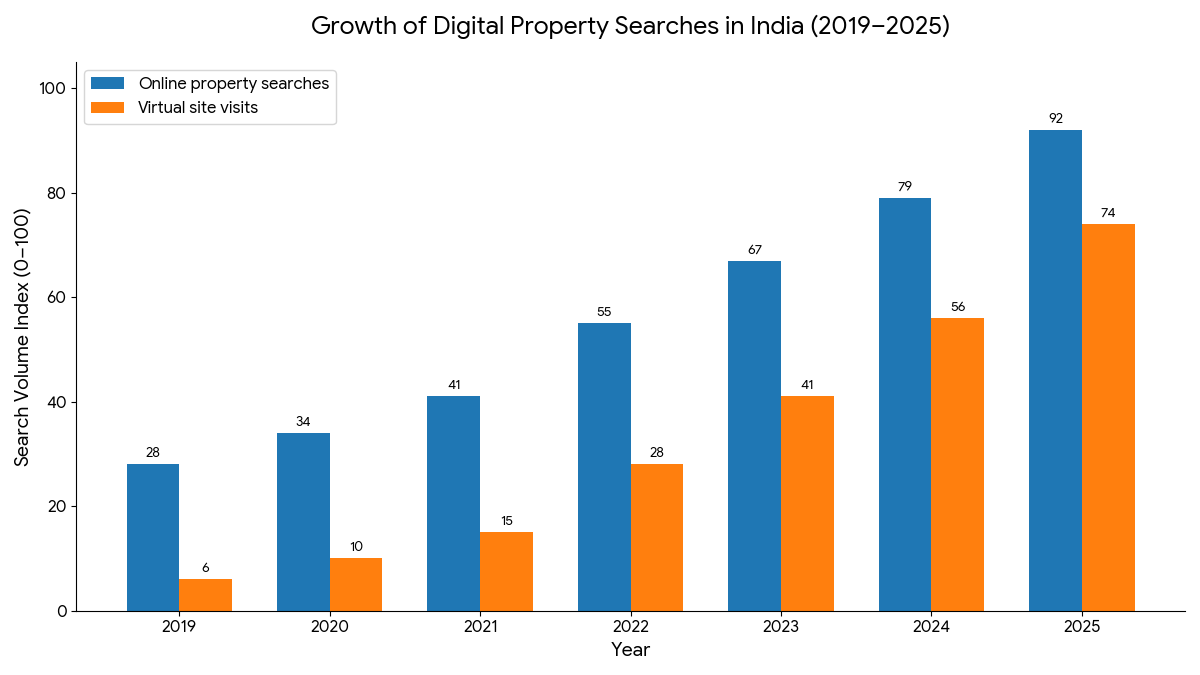
Most property search today starts online. People shortlist homes from their couch, walk through rooms in virtual reality, and discuss options with family before a site visit. On the supply side, sales teams lean on augmented reality to explain layouts and finishes, while digital twins help track progress in real time. The change happened due to the fresh tides in proptech in India. It reflects in reduced time for identity checks with eKYC, use of artificial intelligence to match buyers to the right projects. For readers following proptech India, the result is visible; it shows very few diversions, clear choices, and fast sales across indian real estate. This blog explains what has improved in 2025, what still needs fixing, and how to use these tools to make the best decision.
Table of contents
- Why India’s Property Market Is Ready for a Digital Leap
- What proptech Really Means Beyond the Buzzword
- The Forces Driving Proptech Adoption Across Indian Real Estate
- Inside the New Toolbox of Indian Real Estate
- How Proptech is Changing the Buyer’s Journey
- When Real Estate Meets Data: The Rise of Digital Twins and Smart Cities
- India’s Proptech Ecosystem: Startups, Collaborations, and Innovation Hubs
- Square Yards and PropVR: Building a Global Face for Proptech India
- The Road Ahead: What 2025 Tells Us About the Future of Proptech in India
Why India’s Property Market Is Ready for a Digital Leap
The shift towards proptech didn’t happen overnight. It grew gradually, with each slight improvement making home buying less confusing. A decade ago, the average buyer relied on site visits, brokers, and printed layouts. Today, discovery begins on a phone which is backed by verified data, digital maps, and real-time updates.
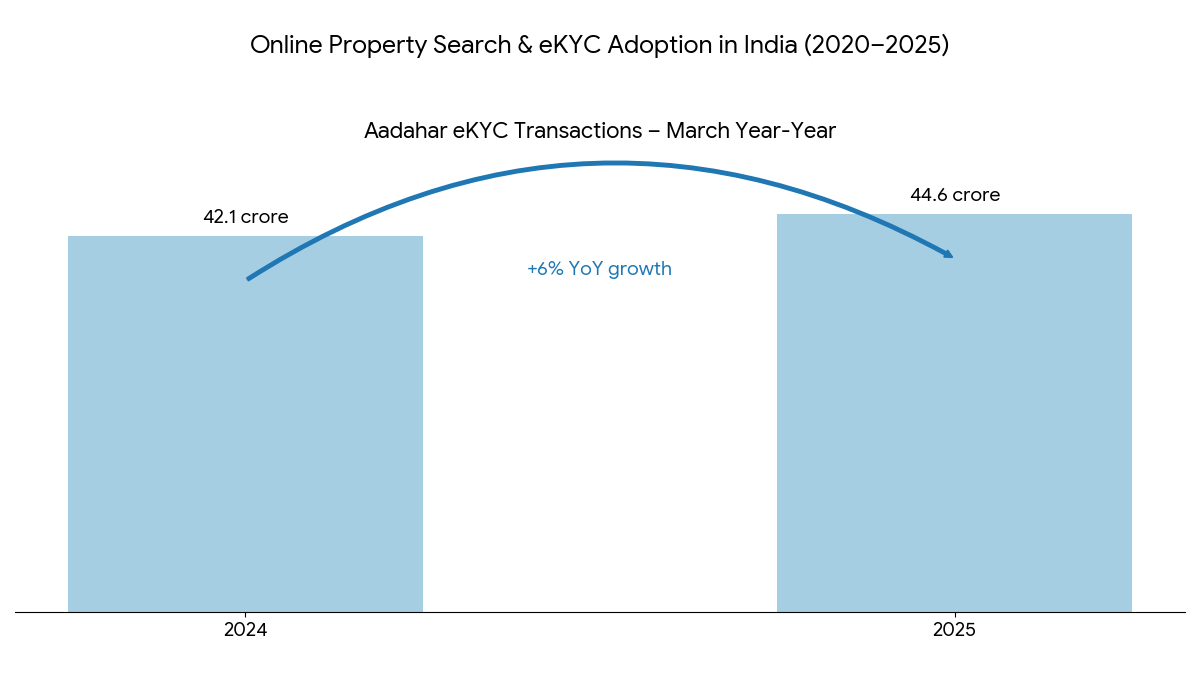
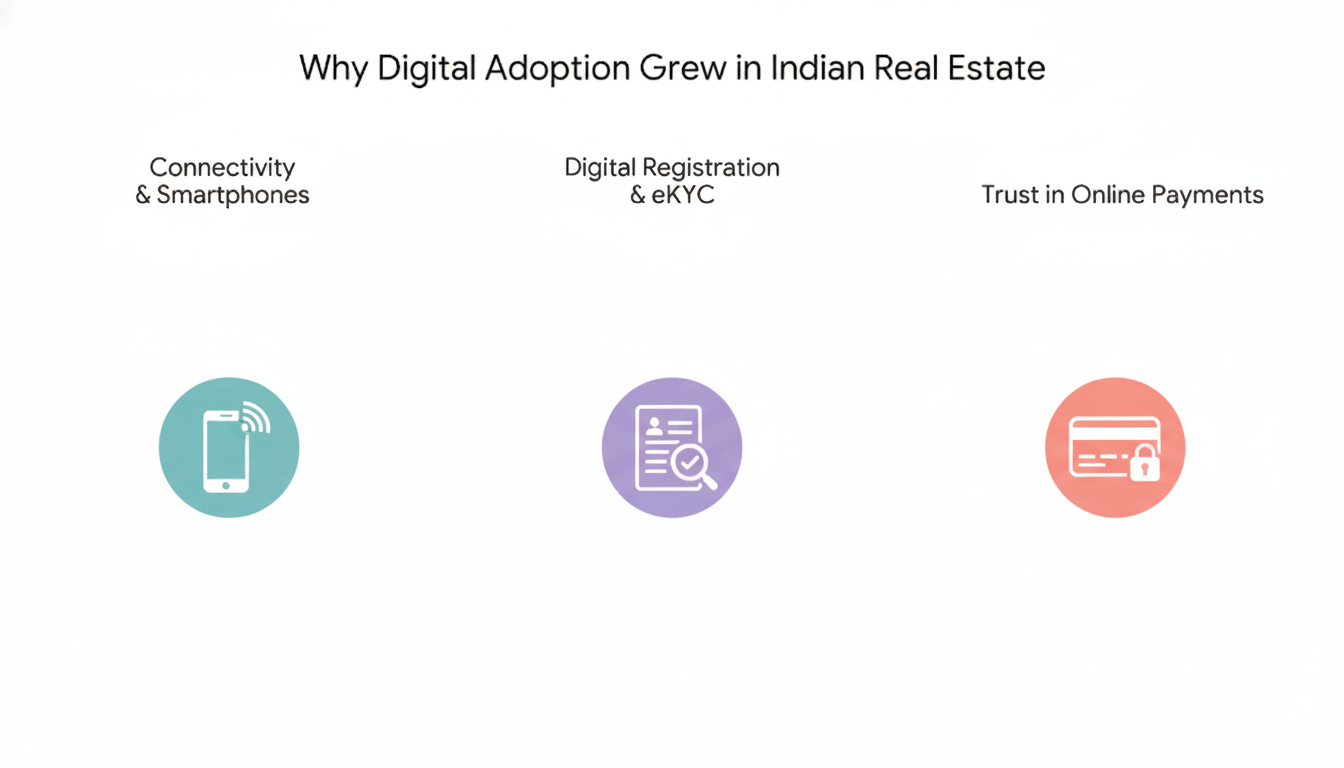
Three forces made this change possible. First, better connectivity, affordable smartphones and widespread internet coverage have pulled millions into online property search. Second, government initiatives for digital registration and eKYC built the rails for safe digital transactions. And third, the growing trust in online payments and verified property listings has helped buyers see technology as an ally rather than a risk.
Developers, too, have found reason to adapt. With transparent portals and tools that display progress through digital twins and virtual reality, they reach buyers faster and cut marketing costs. These practical shifts have prepared the ground for a full-scale proptech wave in India, one that links discovery, verification, and ownership into a single, traceable process for Indian real estate in 2025.
What proptech Really Means Beyond the Buzzword
For years, the term proptech circulated as a label for apps and portals. In 2025, it carries far more weight. It now describes a connected system where data, design, and decision-making work together to simplify how homes are built, sold, and managed.
At its core, proptech brings transparency. Every step, from verifying ownership through eKYC to signing papers with digital registration, leaves a clean digital trail. Buyers see progress without chasing paperwork, and developers maintain trust through open updates and verified details.
Across Indian real estate, these tools have changed the rhythm of business. The process that once ran on calls and paper now moves through secure dashboards and real-time dashboards powered by artificial intelligence. For many, this is not just convenience; it’s proof that the industry can grow without losing its footing.
The Forces Driving Proptech Adoption Across Indian Real Estate
Proptech in India started with small wins that saved time. Buyers wanted faster updates and clearer listings, so property search moved online and stayed there. Sellers and agents saw fewer no-shows when details were accurate, and they began to rely on tools that kept enquiries tidy and traceable.
The next push came from cleaner paperwork. eKYC cut out long waits, and digital registration reduced back-and-forth at counters. When these steps worked well, people used them again. Developers followed the same path, adding proptech solutions that show progress, share verified documents, and answer common questions without delay.
Better matching sealed the shift. Proptech startups now use artificial intelligence, big data, and predictive analytics to surface homes that fit real budgets and timelines. Buyers see options that make sense; sellers focus on ready leads. That is how adoption has spread across Indian real estate in 2025.
Inside the New Toolbox of Indian Real Estate
Every part of buying and selling property now runs through a layer of technology. What began as listings on a portal has grown into a connected system of visual, analytical, and operational tools that define modern proptech India. These tools don’t just look smart, they remove confusion, save time, and help people make clearer choices.
Virtual tours have become the front door of most property search journeys. Using virtual reality or augmented reality, buyers can explore rooms, finishes, and views without a site visit. For developers, digital twins show live updates of construction, floor changes, and material use.
Behind these visuals sits data. Artificial intelligence, machine learning, and big data work quietly in the background, reading market behaviour and suggesting what a buyer might prefer. When paired with predictive analytics, these tools help developers plan launches and manage pricing with greater confidence.
Sustainability adds another layer. Innovative systems track power use and support green buildings that run efficiently over time. Together, these tools form the practical side of proptech solutions in 2025, which makes indian real estate more transparent, responsive, and easier to navigate for everyone involved.
How Proptech is Changing the Buyer’s Journey
The buying process in Indian real estate feels clearer than it used to. What once meant repeated visits and loose paperwork now follows a few tidy steps, supported by proptech solutions. Buyers start with an online look, move to verified checks, and finish with digital records they can store and share.
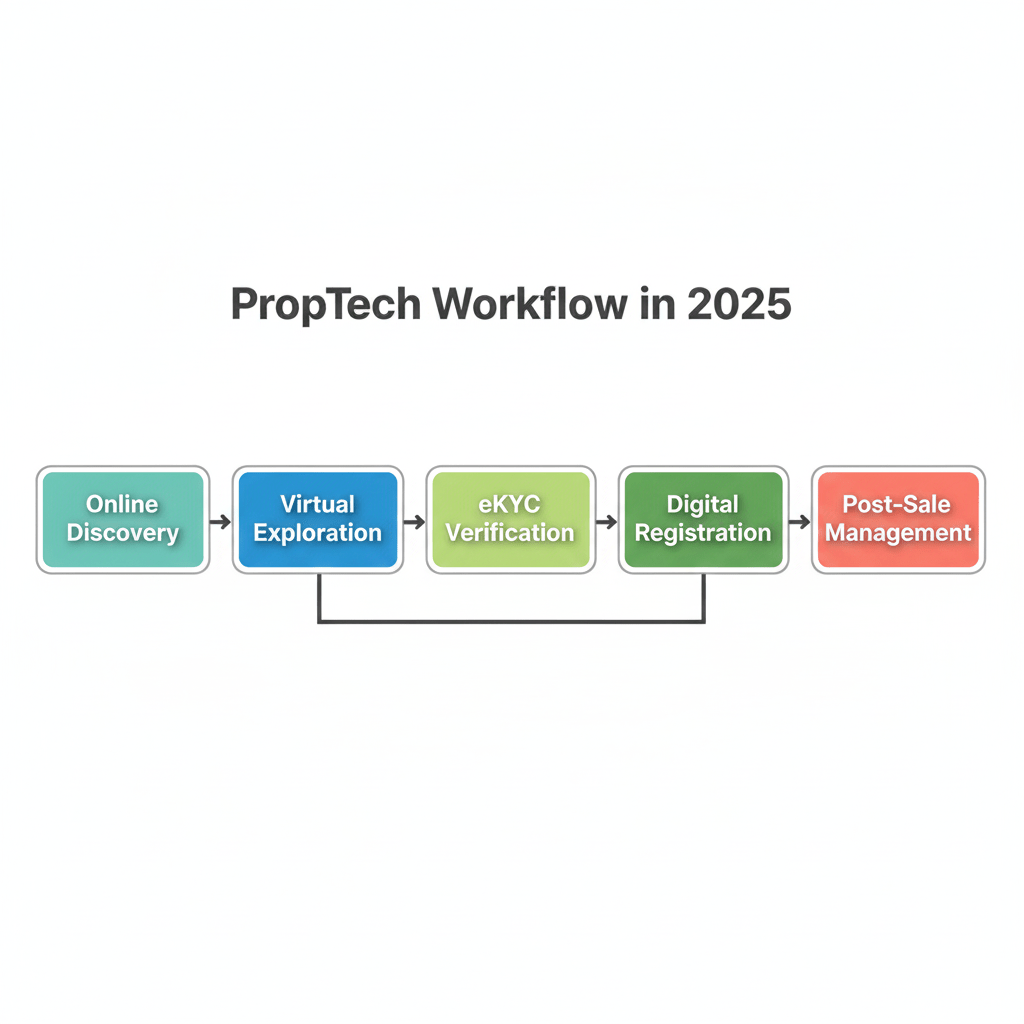
Buyers open a portal first. On one screen, they see listings, project data, and the builder’s track record. A quick virtual reality tour shows scale and daylight; augmented reality lets them try finishes on the phone. That early look trims travel and avoids weak shortlists.
Next comes proof. eKYC handles identity in seconds, and digital registration keeps the chain of ownership clean and traceable. After signing, smart contracts set out milestones, and artificial intelligence helps teams keep payments and documents on time without extra calls.
This rhythm is now familiar across proptech India in 2025. Buyers get fewer surprises, sellers and agents work with better prepared leads, and decisions rest on evidence rather than guesswork.
When Real Estate Meets Data: The Rise of Digital Twins and Smart Cities
Cities across India are learning to plan and build through data. What was once a manual process of drawings and site reports now runs on live digital models. These models, called digital twins, act as mirrors of real projects, enabling tracking of every wall, floor, and system in real time.

For developers, digital twins have changed how projects are monitored. Teams can see progress, spot delays early, and share verified visuals with buyers instead of static updates. Municipal bodies use the same tools to plan roads, utilities, and public spaces, making development more accurate and less wasteful.
As projects scale up, artificial intelligence and big data feed these systems with insights on traffic, energy use, and building performance. The result is a new kind of proptech solutions, one that links private projects with public planning. In 2025, this shift is setting the tone for cleaner, faster growth in Indian real estate, where every built space begins its life as data before becoming concrete.
India’s Proptech Ecosystem: Startups, Collaborations, and Innovation Hubs
The market now has a visible mix of proptech startups and mature proptech companies working alongside developers and brokers. Small teams test features quickly; larger players scale what works. Buyers feel the effect in better listings, cleaner comparisons, and faster follow-ups.
Most of the collaboration now happens in public view. Companies post product updates and case studies on proptech LinkedIn, host live demos during proptech connect, and collect honest feedback through open proptech reviews. Annual meets such as Proptech Connect 2025 bring these players together to share insights, test new ideas, and build partnerships that improve how technology serves genuine buyers and sellers.
For teams building tools, partnerships matter. A young proptech company may lean on data from a larger network, while established proptech companies in India plug in niche modules for pricing, tours, or verification. Some groups run internal proptech labs to test features with real users before launch.
Square Yards and PropVR: Building a Global Face for Proptech India
Among the many names shaping proptech in India, Square Yards stands out for connecting property buyers, sellers, and developers through a single digital network. Over the years, it has moved from a brokerage platform to a full-service ecosystem that uses data, design, and verified records to simplify transactions in Indian real estate.

Its global arm, PropVR, carries the same spirit overseas. The company focuses on immersive visual tools, such as virtual and augmented reality, and digital twins that help clients in markets such as Dubai and Riyadh view projects in real time. These experiences enable remote decision-making, assisting developers to cut travel costs and shorten sales cycles.
Together, Square Yards and PropVR show how Indian innovation travels well. The first builds trust through reach and reliable data; the second shows what happens when technology turns complex spaces into simple experiences. Their combined success underlines that the strength of proptech companies in India lies not just in local growth, but in the confidence to serve global markets from an Indian base.
The Road Ahead: What 2025 Tells Us About the Future of Proptech in India
The story of proptech India is still unfolding. Every few months, a new tool enters the market, and users adjust their habits. What feels like slow movement today is actually a steady rebuild of how Indian real estate operates.
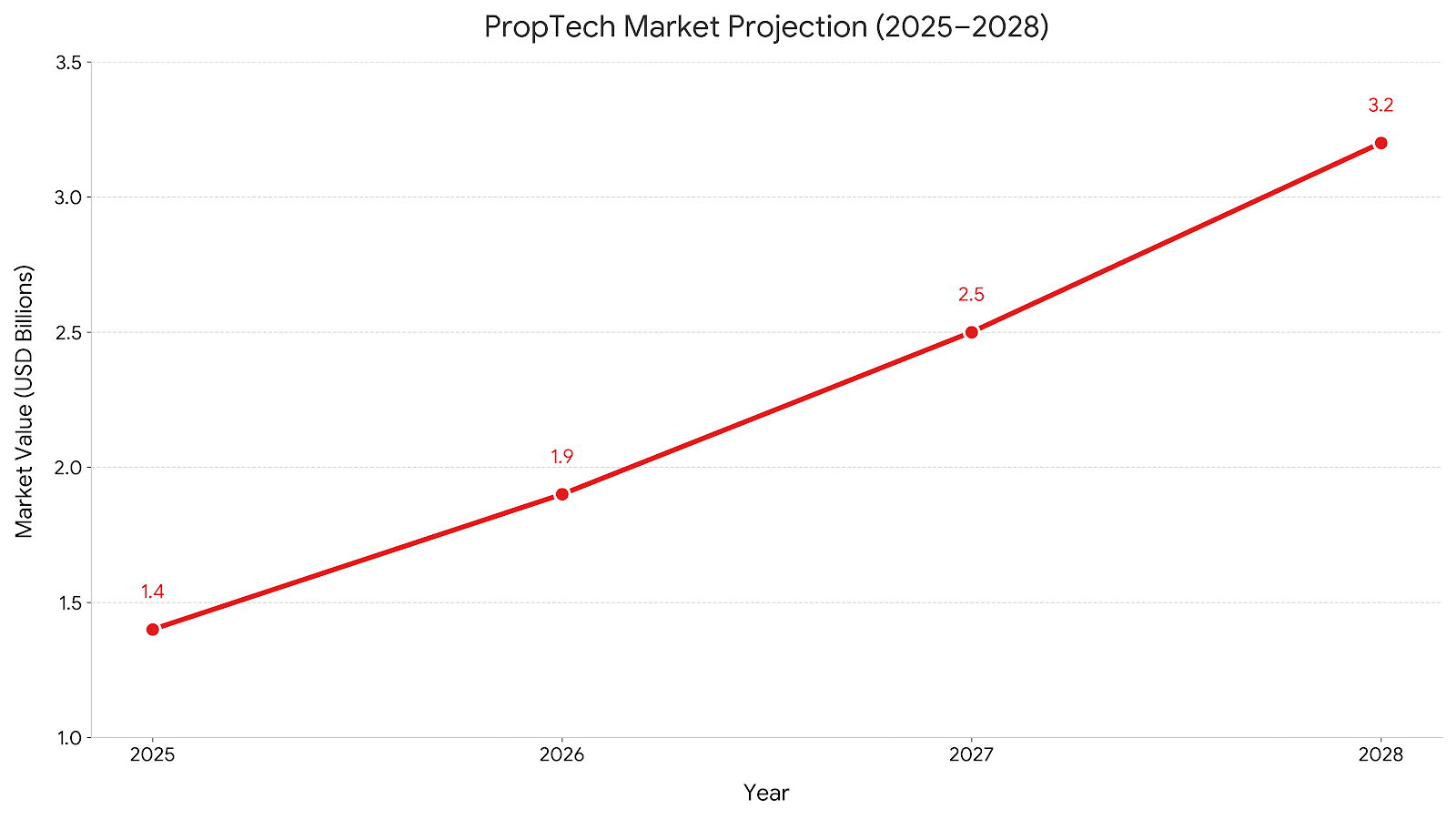
The next phase will bring links between proptech startups, policymakers, and financial systems. With more states adopting digital registration and eKYC, the foundation for fully digital transactions is almost in place. In the near future, artificial intelligence will help buyers predict risks and lenders assess projects faster. By the end of 2025, the gap between online searches and offline deals will have reduced. What began as convenience will stand as the new standard.
Frequently Asked Questions
What does the term proptech actually mean?
Proptech refers to technology designed for the property sector. It brings together data, design, and digital systems to simplify how homes are built, listed, and sold. In India, it now covers everything from online property search to digital registration and after-sales management.
How are proptech companies changing indian real estate in 2025?
Most proptech companies in India now handle the full process, discovery, verification, and transaction. Tools like eKYC, artificial intelligence, and digital twins help make every step faster and more transparent for buyers, brokers, and developers.
Are proptech startups reliable for property buyers?
Many proptech startups work with registered developers and verified data sources. Their proptech solutions show project progress, approvals, and pricing in real time. As with any purchase, buyers should still confirm details through local RERA portals.
What role do virtual reality and augmented reality play in proptech India?
These tools help buyers view spaces remotely and understand scale, design, and daylight without a site visit. Developers use them to reduce travel and showcase accurate layouts, making the early stage of property search far more visual and practical.
What’s next for proptech India after 2025?
Growth will come from wider use of digital registration, better links with big data, and cleaner energy reporting through green buildings. As more users rely on these systems, proptech will shape how indian real estate develops, combining local insight with global standards.