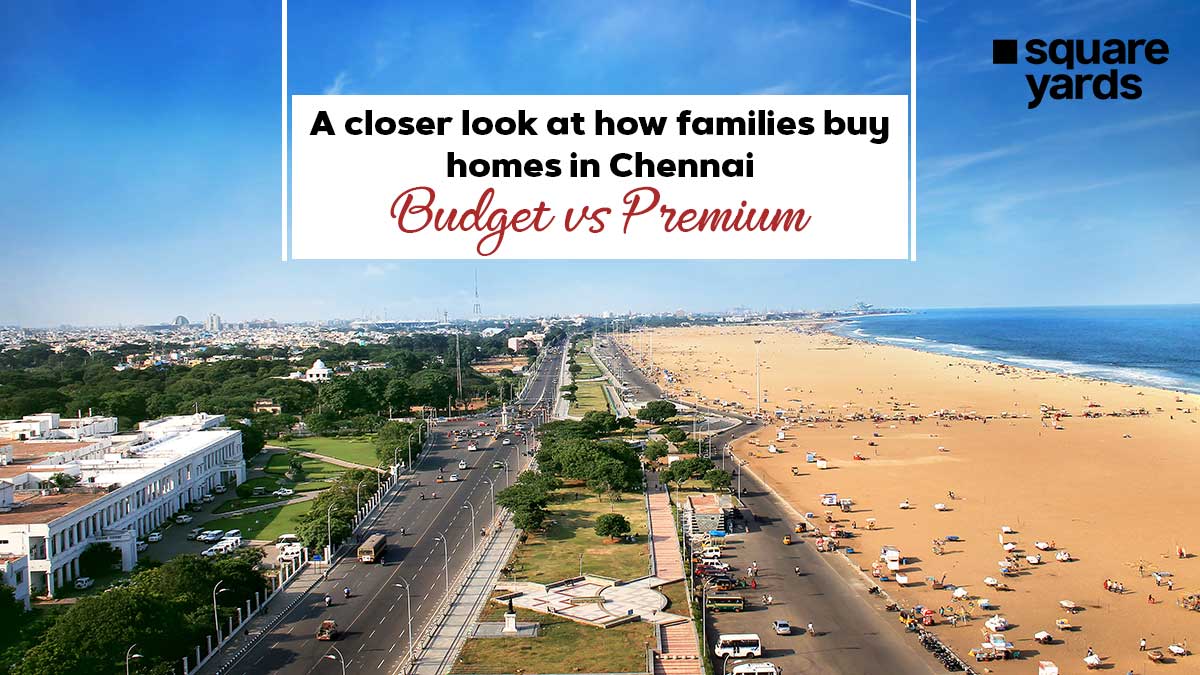
Chennai’s housing market has grown beyond just location and size. It’s now a choice between comfort and convenience, and a decision that divides buyers into two broad groups. One side looks for value and steady returns; the other seeks space, privacy, and better design. Both choices tell their own story about how the city lives and earns today. Across the city, families searching for a house in Chennai weigh commute, schools, and monthly costs. Active buyers scan listings for a house for sale in Chennai, while some plan to buy a house in Chennai within a set timeline and budget. Projects range from compact towers in busy corridors to plots that suit an individual house on the edge of growing neighbourhoods, giving people real options to match their plans.

Image Source: Unsplash.com
This blog looks at what makes a home affordable or premium, how each fits different needs, and where you might find the right balance. The aim is simple: to help you read Chennai’s market clearly before you make one of life’s biggest decisions.
Table of contents
- Understanding Chennai’s Housing Market and Aspirations
- What Defines a Premium House in Chennai?
- Comparing Affordable vs Premium Houses in Chennai: A Practical View
- How to Choose Your House in Chennai
- Spotlight on Anna Nagar: Chennai’s Premium Housing Hub
- Final Thoughts: Chennai’s Real Estate in 2025
Understanding Chennai’s Housing Market and Aspirations
Chennai’s property market works differently from most Indian metros. It moves steadily rather than in sudden highs and lows. That stability has drawn both families and investors who see homes here as more than short-term assets. The city’s mix of culture, industry, and coastal growth has kept its housing demand balanced across all income levels.
Buyers looking for a home in Chennai now have choices ranging from compact city apartments to individual house layouts. Developers have adapted fast, and mid-sized builders handle affordable pockets, while established names focus on gated projects in the city’s key business zones. The result is a market that stretches from the quiet suburbs to dense urban centres without losing pace.
Well-connected roads, metro extensions, and industrial corridors have pushed new residential growth towards Avadi, Tambaram, and Sholinganallur. Each zone now offers a clear price identity, helping buyers match their long-term goals with where they choose to live. It’s this spread that makes Chennai unique and a housing landscape that fits almost every budget and lifestyle without forcing buyers into one mould.
What Defines a Premium House in Chennai?
A premium house in Chennai is mainly about the location and the way the home holds up in everyday use. The street is easier to access, traffic clears faster, and basic services stay more predictable. Buildings in this bracket usually have organised maintenance, clean common areas, and staff who keep security and repairs in order. Inside the home, doors and windows close properly, water pressure stays even, and the layout gives enough light and ventilation without forcing constant fixes.

Image Source: Buildofy.com
In a premium bracket, the neighbourhood sits close to major job centres, schools, hospitals, and everyday shops, while still staying relatively calm once you turn off the main road. Roads are better laid, junctions are more orderly, and drainage is planned so that heavy rain does not stop movement for hours. Street lighting, footpaths, and basic civic services are usually in place. Within the building, room sizes are proportionate, ceiling height feels comfortable, bathrooms are placed sensibly in the plan, and fittings are chosen to handle daily use rather than just look good at handover. Regular maintenance, clear housekeeping, and visible security are built into the way the property runs.
An independent house for sale in Chennai falls into the premium side when the plot sits on a proper approach road, the structure is sound, and services are laid out cleanly. The frontage allows a car to enter and park without blocking the lane. Main rooms receive usable daylight and cross-ventilation instead of relying only on artificial light. Drainage lines are aligned, wiring is not exposed in odd corners, water storage is planned, and terrace slopes push water away instead of towards the walls.
Comparing Affordable vs Premium Houses in Chennai: A Practical View
Every housing choice in Chennai circles back to the same question: what are you really paying for? The price gap between affordable and premium homes isn’t only about square feet. It reflects time saved, comfort gained, and the level of service that stays invisible until you move in.
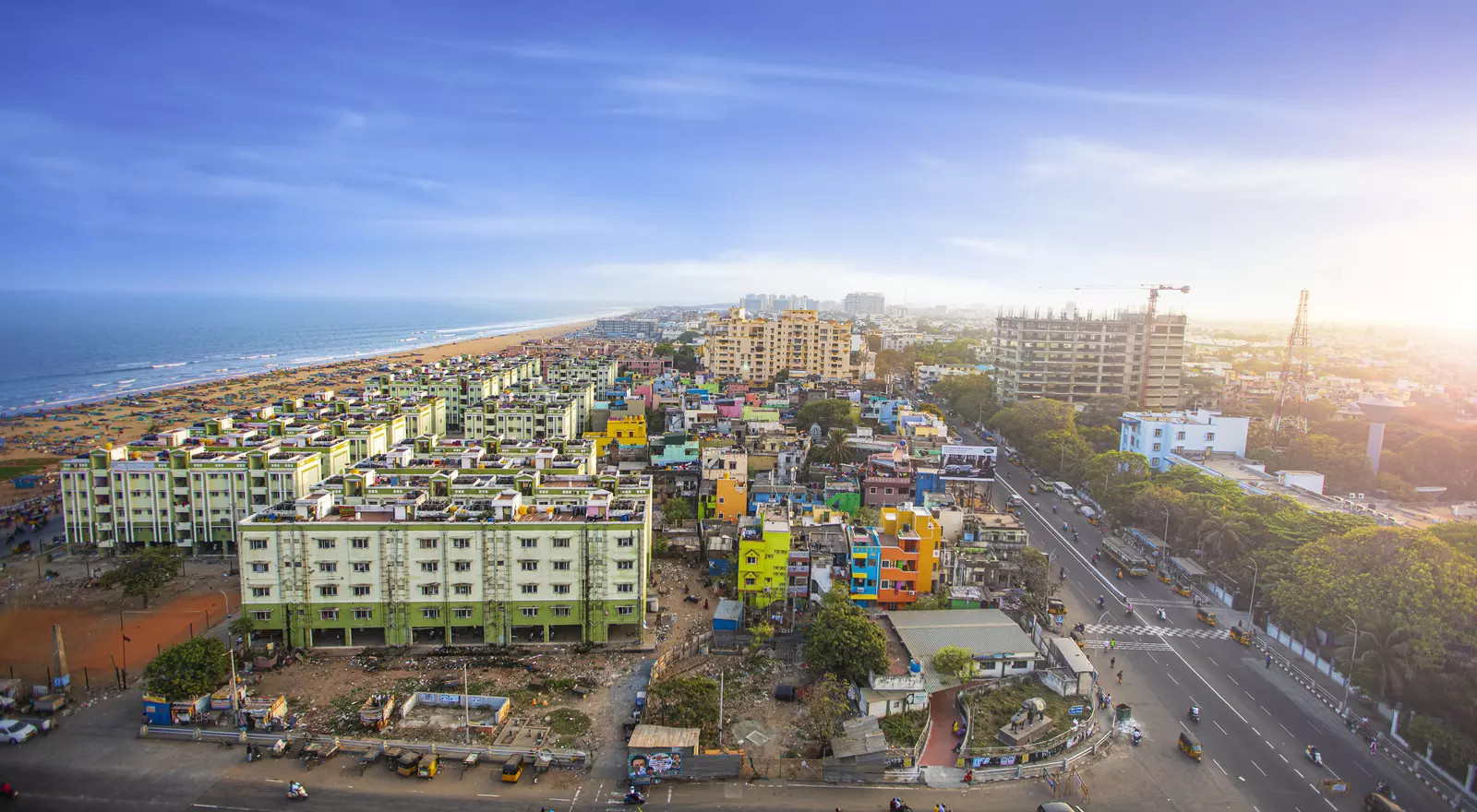
Image Source: Goway.com
Affordable projects usually sit on the city’s edges, where land comes cheaper and approvals run faster. You’ll see rows of smaller towers with shared parking, modest clubhouses, and standard fittings. They work well for first-time buyers or families aiming to cut rent. A house for sale in Chennai under ₹50 lakh often falls in this zone, combining value with steady appreciation as transport links expand. Below is the table where you can compare both affordable and premium home options.
|
Key Parameters |
Affordable Homes |
Premium Homes |
|
Average Price Range |
₹15–50 lakh |
₹1 crore and above |
|
Primary Locations |
Avadi, Tambaram, Poonamallee |
Alwarpet, ECR, Anna Nagar |
|
Property Type |
Apartments, compact individual house units |
Villas, high-rise condos, independent house for sale in Chennai |
|
Amenities |
Basic, functional |
Extensive, lifestyle-focused |
|
Maintenance |
Moderate |
High, but professional |
|
Rental Demand |
Strong from mid-income tenants |
Steady from corporates and NRIs |
Both types serve their own audience. One promises entry and ownership; the other delivers ease and reputation.
How to Choose Your House in Chennai
Every buyer starts from a different point, such as income, timing, or purpose. The first step is to be clear about what you want the home to do for you. If it’s about living close to work and cutting travel costs, the focus should be on commute and service reliability. If it’s about growth, the lens shifts to resale and rental demand.
Those planning a first purchase often lean towards affordable housing because loans are lighter and approvals simpler. Projects in this range usually qualify for credit-linked subsidies, and public sector banks or private sector banks offer flexible tenure plans. These homes also make sense for families who plan to upgrade later. They build equity without incurring heavy maintenance costs.
Buyers with larger budgets look for stability and comfort. A premium house near key business zones or good schools tends to hold its value better during slow cycles. It also gives the benefit of lower density and a more reliable upkeep system. Those who prefer open space or long-term control might even consider an individual house, though that calls for more hands-on management.
Local policies matter too. Local governments continue to improve drainage, roads, and transport access in outer zones, making affordable clusters more liveable each year. Meanwhile, premium pockets gain from zoning consistency and stricter upkeep norms. The right choice sits where your finances, pace of life, and tolerance for maintenance meet in the middle.
Spotlight on Anna Nagar: Chennai’s Premium Housing Hub
For many buyers, Anna Nagar, Chennai, Tamil Nadu, feels like the “middle” of the city. The locality is accessible from multiple directions, making it easy to reach various areas quickly. The layout of the locality is simple. Numbered streets, wider junctions, and decent footpaths make daily movement less tiring than in most older areas.
Inside Anna Nagar East, you can find old plots, small apartments, and newer premium blocks on the same lane. Families who want a long-term home in Chennai prefer the Anna Nagar area because schools, tuition centres, clinics, and grocery stores are close together. Most daily needs stay within a short drive or a quick auto ride, so people do not depend on long commutes for simple errands.

Evening life usually collects near Anna Nagar Tower and Anna Nagar Tower Park. Walkers use the paths, children play in designated areas, and the space stays busy without feeling crowded. Around the main roads, you get plenty of restaurants in Anna Nagar, from older names like Akshayam Anna Nagar and Palmshore Restaurant Anna Nagar to new kitchens that change every year or two. You will also find more than one cafe in Anna Nagar.
Entertainment folds in through bigger formats. A visit to PVR VR Chennai Anna Nagar often combines a film, basic shopping, and a meal in the same stretch of time. Because transport links and social hubs are close together, many buyers keep Anna Nagar on their shortlist when they start shortlisting homes.
Final Thoughts: Chennai’s Real Estate in 2025
Chennai’s housing market runs on balance rather than bursts. Both affordable housing and the premium house segment have found steady ground, feeding different needs without competing head-on. The affordable side keeps the market broad, bringing in first-time buyers and families who want to move away from rent. The premium side sustains investor confidence and shapes the city’s visible skyline.
Developers have learned to read these two audiences well. In one part of the city, compact towers go up near metro extensions. In another, low-rise projects promise privacy and better build control. The demand for an individual house continues quietly, supported by buyers who want long-term space and fewer shared walls.
By 2025, the split is clear but healthy. Outer belts like Avadi and Poonamallee keep drawing new projects, while Anna Nagar and the ECR maintain their strength as premium addresses. For end-users, this means choice without confusion and a city where growth stretches in every direction but still holds together. Chennai has managed what few metros can: steady value, reliable ownership, and a market where every price band still finds a buyer.
Frequently Asked Questions
Why does Chennai’s property market feel more stable than other cities?
Homes here sell to people who plan to stay. The city’s jobs, ports, and colleges sustain demand. Buyers look for a home in Chennai that they can use, not flip, so prices rise more slowly and hold better over time.
Where do people find good options for affordable homes?
The city’s edge still offers room. Avadi, Tambaram, and Poonamallee stay active for affordable housing because land is cheaper and transport lines keep extending. Apartments here fit mid-income families, and paperwork tends to move faster than in central zones.
What puts a home in the premium bracket?
A premium house stands out by address and finish. It sits near offices, schools, and shopping streets yet keeps noise away. Places like Alwarpet, ECR, and Anna Nagar are known for that balance. You pay for light, privacy, and service that runs without chasing.
Should you buy an apartment or an individual house?
An apartment cuts maintenance and keeps security simple. An individual house gives control, space, and a slower pace. It works best for those ready to manage upkeep or rebuild later. The right choice depends on how much time you want to spend running your own space.
How do banks help homebuyers here?
Both public sector banks and private sector banks offer long-term loans for local projects. Affordable buyers use subsidy-linked plans to lower EMIs. Higher-end projects draw custom packages, often with faster clearances and longer grace periods.
What must you check before signing anything?
Title first, then approvals. Visit the site more than once. Notice water pressure, drainage, and road width. Talk to neighbours if you can. Whether it’s an individual house or a flat, small checks now save large fixes later.