Vizag
A first-time home buyer in India should: define a realistic budget, check CIBIL score, get home loan pre-approval, shortlist RERA-registered projects, verify legal documents, negotiate terms, sign the Agreement to Sell, pay stamp duty, and register the property. Tax benefits under Section 80C and 24(b) also apply.
Buying your first home is not just about finalizing a property. There are many things that come along with it like planning your budget, arranging documents, checking home loan eligibility, understanding registration costs and making sure the property is legally clear. For people buying for the first time, the entire process can sometimes feel confusing because there are too many decisions to make at once. From choosing the right location to comparing home loans for first time home buyer options, every step needs proper attention before making the final decision.
If you are buying a first time home, knowing the process beforehand can save both time and unnecessary stress later. Many people usually look for practical tips for first time home buyers and reliable advice for first time home buyers before taking such a major financial step. Whether you are buying an apartment for self-use or planning a long-term ownership, understanding each stage properly makes buying your first home much easier and more organised. SquareYards’ comprehensive guide simplifies the entire process step-by-step so you can take the next step confidently and make well-informed choices at every stage of your home buying journey.
Before buying a first time home, sit down and understand how much you can actually afford comfortably every month. Apart from the property cost, you will also have to manage the down payment, registration charges, stamp duty, and other expenses that usually come later in the process. A simple way to plan your budget is to keep your monthly home loan EMI within 40% of your take-home salary so that your regular expenses are not affected.
Your credit score is one of the first things banks check when you apply for a loan. In most cases, a score above 750 makes it easier to get approval for home loans for first time home buyer applications and can also help you get a better interest rate. If your score is not strong right now, spend some time improving it by paying dues regularly and avoiding unnecessary loan enquiries before starting the home loan process.
One of the most useful tips for first time home buyers is to spend enough time researching the area before finalising a property. A flat may look good from inside but the locality matters just as much in the long run. Check nearby schools, hospitals, public transport, road connectivity, future development plans and also the overall safety of the area before making a decision.
If you are buying for the first time, understand clearly whether you want a ready-to-move property or an under-construction one. Ready-to-move flats are easier for buyers who want immediate possession and fewer uncertainties. Under-construction properties are usually cheaper but delays can happen, so checking the builder’s reputation and RERA details becomes extremely important before booking.
A lot of people, while buying their first home, simply go with the same bank where they already have an account, but it is better to compare a few loan options before deciding anything. Sometimes even a small difference in interest rates can matter over the years. If you are checking home loans for first time home buyer plans, keep basic documents like Aadhaar, PAN card, salary slips, bank statements, and ITR copies ready because banks normally ask for these during the loan process.
One of the most practical tips for first time home buyers is to visit the property personally instead of depending only on photos or videos. A flat can look very different in real life. Spend some time checking the sunlight, ventilation, water supply, parking space, lift condition, and even the surroundings outside the building. Visiting during different hours of the day also gives a clearer idea about traffic and noise in the area.
A lot of people, while buying their first home, focus mainly on the flat, location, or price and forget to pay equal attention to the paperwork. If you are buying for the first time, do not skip checking whether the project is registered under RERA and whether the property papers are complete. Before paying a large amount, go through documents like the title deed, approvals and encumbrance certificate carefully. Many buyers also get the papers checked by a lawyer just to avoid issues later.
A lot of people buying for the first time feel uncomfortable negotiating, but in property deals it is completely normal. Builders often offer 2–5% negotiation room in a buyer’s market. One important advice for first time home buyers is to get every commitment written clearly in the agreement instead of depending on verbal promises.
After the discussion on price, payment plan, and other charges is completed, both sides move ahead with the Agreement to Sell (ATS). If you are buying a first time home, do not just sign the papers quickly because everyone else is waiting. Sit for a few minutes, read the agreement properly, and check whether the details discussed earlier are actually written there or not. The booking amount is usually paid after this step, which officially moves the process of buying your first home ahead.
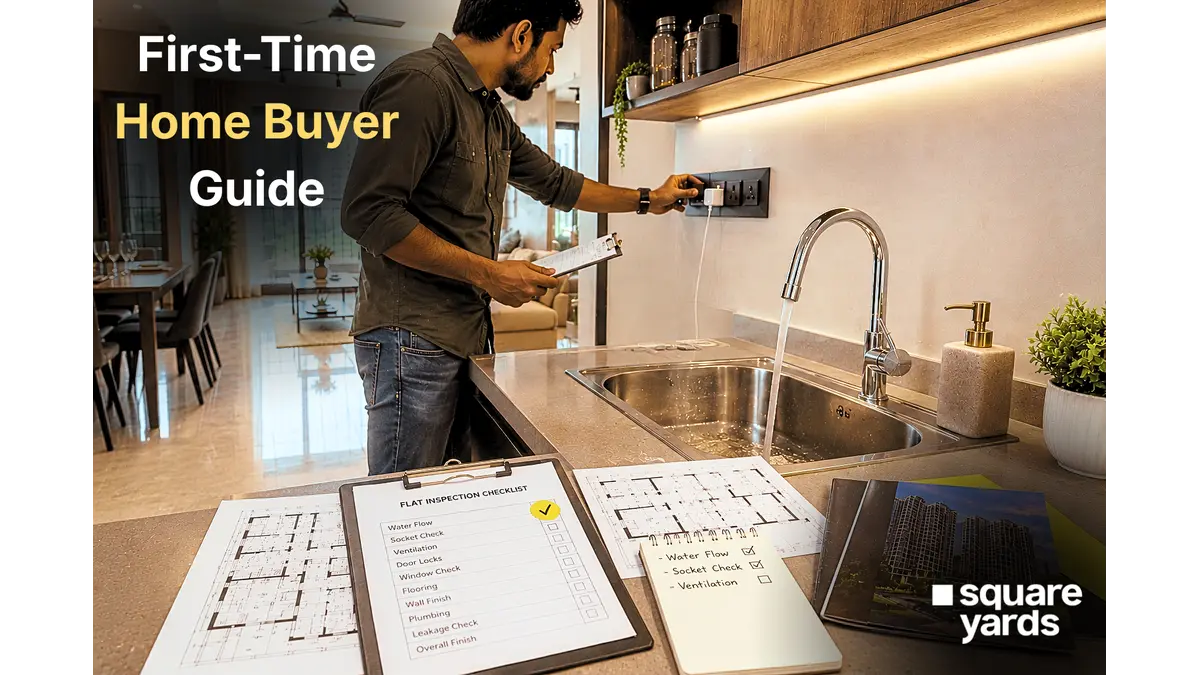
The last step in buying your first home is completing the registration work and taking possession of the flat. After the Sale Deed is registered and the stamp duty is paid, collect important documents like the Occupancy Certificate, Completion Certificate and possession letter from the builder. For people buying for the first time, this is also the stage where the flat should be checked carefully before taking the keys. Look at the fittings, paint work, switches, taps, doors, and common areas properly and make sure everything promised during booking has actually been completed.
For many people, buying a first home is something they plan for years. There is excitement, but at the same time there are doubts about budget, loans, paperwork, and whether the property being chosen is actually the right one. The process of buying your first home can feel confusing in the beginning because there are too many decisions involved at once, especially for buyers doing it for the first time.
That is why taking time to understand the process properly always makes a difference. From checking different home loans for first time home buyers to understanding basic paperwork and comparing properties carefully, small decisions during the early stages can save a lot of stress later. If you are looking for simple tips for first time home buyers, SquareYards helps buyers with property search, loan support, and guidance throughout the home-buying journey.
Minimum down payment is 10% for loans up to ₹30L, 20% for loans between ₹30L–₹75L, and 25% for loans above ₹75L, as per RBI guidelines. However, stamp duty, registration, and other charges are always paid from your own funds.
First-time buyers can claim: Section 80C (up to ₹1.5L on principal repayment), Section 24(b) (up to ₹2L on home loan interest), and Section 80EEA (additional ₹1.5L on interest for affordable housing loans sanctioned before March 2022).
Yes. PMAY (Credit Linked Subsidy Scheme) offers interest subsidies of 3–6.5% for EWS, LIG, and MIG category first-time buyers. The property must be in the buyer’s name or joint name with spouse and neither should own any other property.
Ready-to-move is safer (no construction risk, no GST, immediate possession). Under-construction is cheaper (10–20%) but carries delivery risk. For first-time buyers with limited savings, ready-to-move is recommended for peace of mind.
Most banks require a minimum CIBIL score of 700-750. A score of 750 and above qualifies you for the best interest rates. Below 650, home loan approval becomes difficult, and interest rates may be significantly higher.