
A decade ago, homeownership in major Indian cities was a standard, achievable milestone for the middle class through diligent saving and a steady home loan. Today, that financial blueprint is shifting. Property prices across key metropolitan markets have dramatically outpaced salary growth. For a new generation of young professionals and first-time buyers, the central question has changed from where to buy to whether purchasing a home is financially viable without carrying massive EMI burdens for nearly three decades.
This growing tension recently sparked a viral social media debate after a finance creator criticized property influencers for trivializing the financial strain of buying a home. The discourse highlights a clear disconnect in India’s housing sector: while buyers grapple with steep property costs and rising living expenses, developers emphasize robust demand, favorable financing, and aspirational lifestyle upgrades as compelling reasons to invest.
Assessing Market Affordability
Industry data suggest that real estate affordability in tier-1 metro areas has come under visible pressure over the past decade. Even though absolute income levels have risen and institutional mortgage financing has become smoother, property prices in high-demand zones continue to outpace average salary growth.
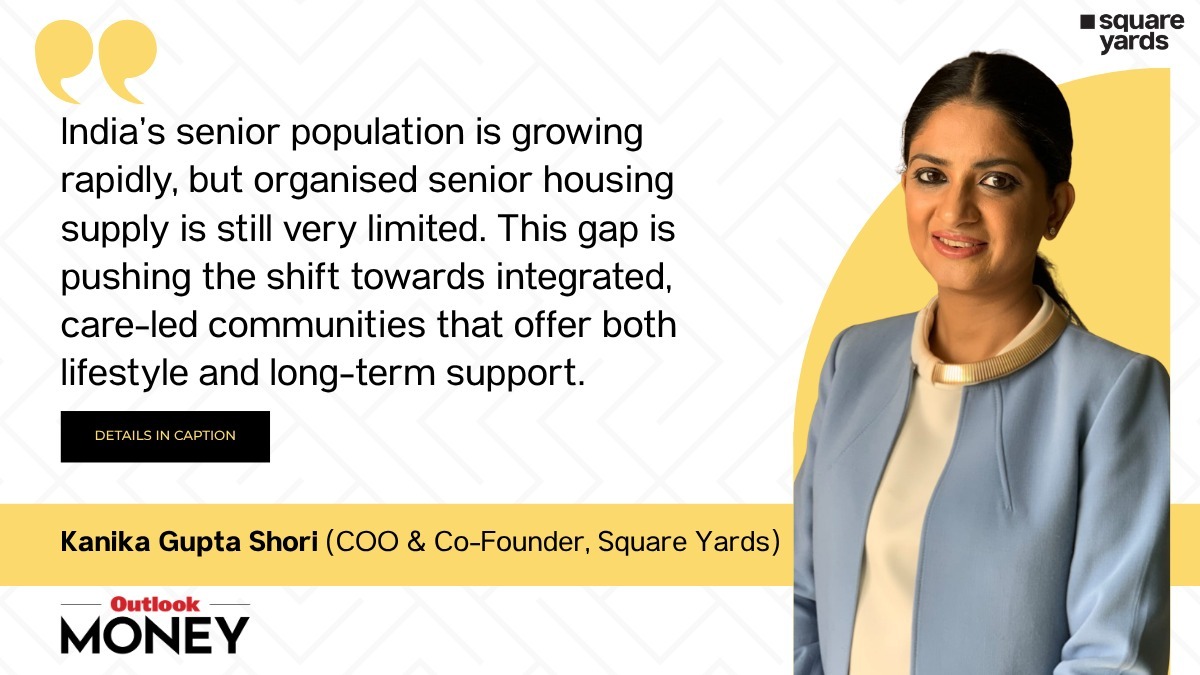
“Higher construction costs and strong housing demand have further contributed to price appreciation. Although affordability remains better than in some previous real estate cycles due to improved financing options, first-time homebuyers today face a greater challenge in bridging the gap between income growth and housing costs,” says Kanika Gupta Shori, COO and Co-Founder, Square Yards.
Conversely, some industry leaders view the market shift as an evolution of purchasing power rather than a broad decline in accessibility. They note that the demand spike is structural, driven by competitive loan rates, expanding disposable incomes, and changing consumer expectations. Modern buyers actively prioritize spacious, well-connected homes with premium amenities. Aggarwal points out that while land and construction inputs have driven up values, the rise of dual-income families and seamless access to credit have structurally enhanced consumers’ purchasing power.
Investor Influence vs. The Cost of Entry
While investor activity continues to accelerate price growth in specific micro-markets across Mumbai, Delhi-NCR, Bengaluru, and Hyderabad, analysts maintain that this cycle is distinct from previous speculative bubbles. Current momentum is heavily anchored by genuine end-user demand, urban infrastructure developments, and a post-pandemic preference for premium living spaces.
To safely balance long-term financial health, financial experts recommend that home-related liabilities should ideally consume between 30% and 40% of a family’s total income. Under current market conditions, comfortable middle-class homeownership requires significant monthly household income thresholds across primary regions:
- Delhi-NCR & Hyderabad: Around ₹1.5 lakh – ₹2 lakh per month
- Bengaluru: Approximately ₹2 lakh – ₹2.5 lakh per month
- Mumbai: Exceeding ₹3 lakh per month
Strategic Measures for Sustained Growth
Ensuring that homeownership remains accessible to the middle-income segment without interrupting the real estate sector’s upward trajectory requires focused fiscal and supply-side actions.
Experts highlight that key interventions should include expanding tax incentives on home loans, reducing transaction costs, and rationalizing stamp duties. Furthermore, accelerating regulatory approvals, optimizing developer financing, and adopting modern, efficient construction technologies will control rising supply costs. On the development front, prioritizing targeted infrastructure spending and constructing dedicated mid- and affordable housing corridors will remain crucial to expanding accessible options for first-time buyers.
To read the full article, click the below link:
| # | Publication | Link |
|---|---|---|
| 1 | Outlook Money | Outlook Money |
Published Date : 22 June 2026