
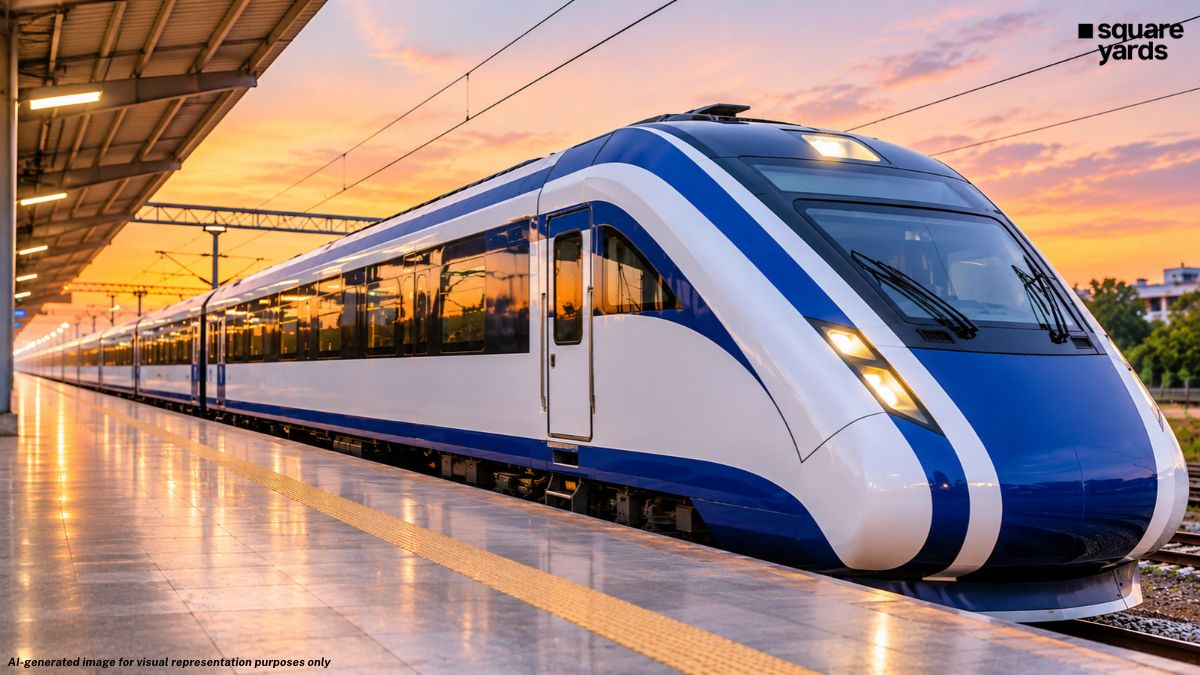
India’s rail connectivity between two major economic centers improved on November 1, 2026, with the inauguration of the Bengaluru-Mumbai Vande Bharat Sleeper Express. Union Railway Minister Ashwini Vaishnaw flagged it off from Bengaluru’s Sir M. Visvesvaraya Terminal (SMVT), introducing an overnight service to Chhatrapati Shivaji Maharaj Terminus (CSMT).
The train will cover the 1,118-km route in about 16 hours, stopping at key cities in Andhra Pradesh, Karnataka, and Maharashtra, including Anantapur, Guntakal, Raichur, Yadgir, Kalaburagi, Solapur, Pune, and Kalyan. It will run six days a week, departing from Bengaluru except on Mondays and from Mumbai except on Tuesdays.
The service links major technology, finance, manufacturing, education, and business hubs, potentially making travel easier for professionals, students, entrepreneurs, traders, and families while improving access to cities along the route. Its longer-term impact will depend on connections to local transportation, jobs, and economic activity.
Bengaluru-Mumbai Vande Bharat Sleeper: Route, schedule and key details
The train will operate between SMVT Bengaluru and CSMT Mumbai. According to the Ministry of Railways, the Bengaluru-originating service will depart at 7:45 pm and reach Mumbai at 11:55 am the following day. In the return direction, it will leave Mumbai at 8:10 pm and arrive in Bengaluru at noon the next day.
The regular service will run six days a week. The inaugural journey on November 1 was a special service, with different timings and additional stops; those timings should not be confused with the regular timetable.
The route connects several regional centers that may benefit from improved overnight access to Bengaluru and Mumbai. These include:
- Anantapur and Guntakal: Important rail locations in Andhra Pradesh.
- Raichur, Yadgir and Kalaburagi: Cities across North Karnataka.
- Solapur: An important regional center in Maharashtra.
- Pune: A major IT, education, manufacturing, and automotive hub.
- Kalyan: A key rail junction serving the wider Mumbai Metropolitan Region.
The service offers overnight travel with sleeper accommodation, allowing passengers to rest during the journey instead of spending much of the day traveling. The train has 16 coaches across three accommodation categories: AC three-tier, AC two-tier, and first AC. It has a reported capacity of 823 berths.
This is an intercity overnight service, not a suburban train. The long distance, fare, and timetable will limit its usefulness for daily commuting. Its more immediate value lies in business trips, family visits, education-related travel and other journeys between cities.
How the new train could improve regional connectivity
The Bengaluru-Mumbai corridor links two large metropolitan economies with a series of smaller cities and regional hubs. The new service adds another travel option along this corridor and could make overnight journeys more convenient.
For business travelers, arriving the day after an overnight trip may reduce the need to spend an extra day in transit or pay for an extra hotel night. Students and families could also benefit from a more comfortable long-distance rail option.
The intermediate stops are important, too. Better access to larger markets can help regional businesses reach customers, suppliers and service providers in Bengaluru, Pune and Mumbai. It may also make it easier for people living in smaller cities to travel for specialist medical care, higher education or employment-related purposes.
Pune: Stronger links with two major metropolitan markets
Pune is already a major center for information technology, education, manufacturing and automotive industries. Its position between Bengaluru and Mumbai makes it an important stop on the new route.
The train could make intercity business travel more convenient for professionals and firms with operations in more than one of these cities. Better access may also boost Pune’s appeal to frequent business travelers, although the scale of any additional housing demand remains uncertain.
For homebuyers, the service is one factor to consider alongside employment access, local rail and road connectivity, schools, healthcare and the cost of housing. For renters, the benefit is more practical: easier overnight travel that may suit professionals who need to visit Bengaluru or Mumbai regularly without relocating.
North Karnataka: Improved access to larger job and business markets
The route through Raichur, Yadgir and Kalaburagi is an important part of the service’s regional-connectivity story. These locations gain an additional overnight rail option to Bengaluru and Mumbai, two major employment and commercial centers.
Improved access can help residents travel for work, education, healthcare and business. It may also make regional cities more accessible to investors or companies exploring opportunities outside the largest metropolitan markets.
Mumbai and the wider metropolitan region
The service terminates at CSMT and stops at Kalyan, giving passengers access to important parts of the Mumbai region. For travelers arriving from Bengaluru and intermediate cities, this adds another option for reaching the financial capital.
For residential markets, the more relevant question is how easily passengers can travel from CSMT or Kalyan to their final destination. Mumbai’s local trains, Metro network, road congestion and workplace locations will continue to determine everyday commuting convenience.
Will the new rail link influence property prices?
The Vande Bharat Sleeper’s real-estate impact will depend on whether better intercity connectivity translates into stronger economic activity along the route. Easier travel between Bengaluru, Pune and Mumbai could benefit professionals and businesses operating across these markets. At the same time, improved access may bring greater attention to intermediate cities such as Kalaburagi, Raichur and Solapur.
In established markets such as Pune and Bengaluru, where housing demand is already shaped by employment, infrastructure and migration, the service is likely to add a connectivity advantage. In smaller cities, any sustained impact will depend on whether new jobs, business investment and improvements in local infrastructure accompany better rail access.
The effect on housing may also differ from one location to another. Homes with convenient access to railway stations could appeal to people who travel frequently for work or family reasons, while improved regional links may make some cities more practical places to live and work.