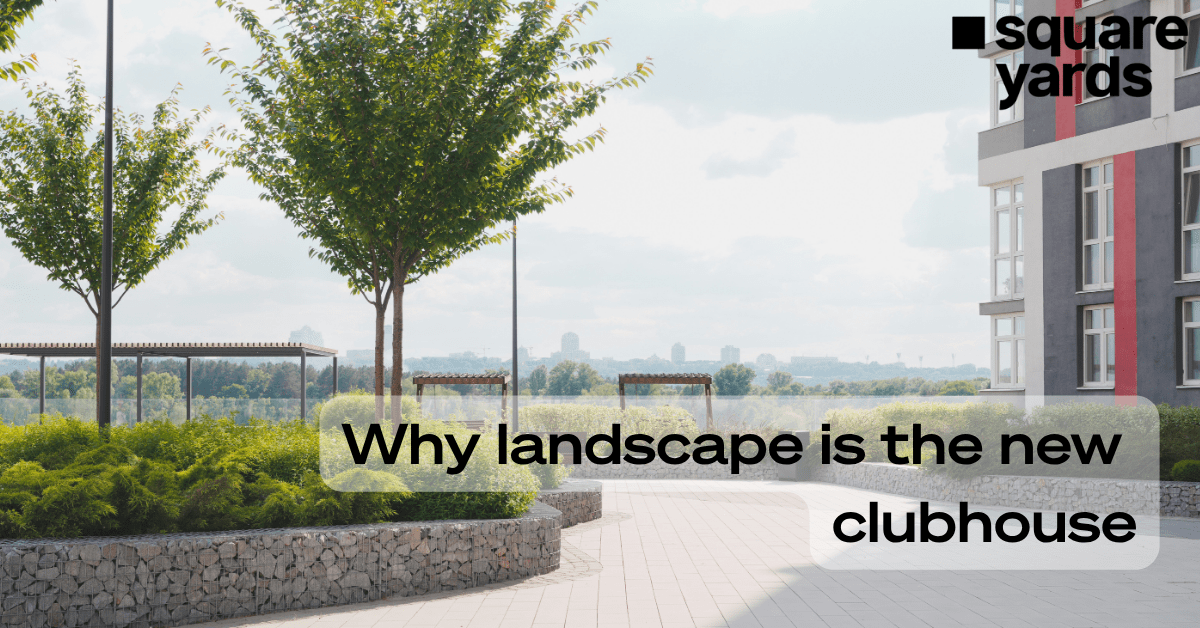
For many decades now, all the elements of leisure and community facilities available in residential complexes, commercial districts and urban townships have been represented in one single entity, known as the clubhouse. Featuring indoor lounges, gyms, banquet halls, and game rooms, the traditional clubhouse was the social center for most modern developments. Nevertheless, the way of life in the modern city environment has brought about a paradigm shift in the way people relate to their physical environment. Increasingly, people are yearning for a connection to nature and sunlight. Therefore, landscape architecture has become an important form of social infrastructure.
Beyond aesthetics: Outdoor spaces as functional amenities
Traditionally, landscape was thought of as purely ornamental in nature, or as a form of green visual barrier: a decorative element to be viewed from afar or traversed en route to an indoor location. Contemporary spatial design sees the outside world as an active extension of interior spaces of habitation and work.
In their design intent, outdoor landscapes have great potential as social gathering spots. The micro-park, garden node, shady courtyard, or amphitheater all serve as the venue for the same types of social activities as took place indoors in the past. It can be a community market on weekends, a session of outdoor yoga, an informal meet-up in the evening, or even remote work under a covered pergola.
The wellness-driven transition to biophilic socialising
The sudden surge in remote or hybrid work setups along with a greater realisation of well-being of both mind and body has seen the need for a healthy environment on a daily basis. No matter how luxurious the architecture, there will be certain architectural limitations when it comes to air, sun, and sound. Overuse of enclosed spaces may lead to crowding and overexposure.
Outdoors environments provide biophilia: man’s inherent desire to connect with nature. By combining social spaces within the environment of nature, social interactions through wellness can be fostered. Incorporation of walking paths with native flora, sensory gardens, and open lawns helps residents engage in physical activity, relaxation, and socialization without any hassle. Socializing in the outdoors is a natural stress reliever and mood booster compared to conventional indoor hangout spots.
Community cohesion and intergenerational inclusiveness
Age segregation is one of the major drawbacks of conventional indoor facilities. The conventional indoor gym is popular among young adults while the playroom is designed for toddlers and card rooms are popular among seniors. It is a conventional norm to assign different rooms within the clubhouse depending on the type of activity being pursued by the user.
On the other hand, landscape design eliminates all forms of physical and social segregation. A well-master-planned landscape space can incorporate individuals of various ages without creating any sort of restriction. In an outdoor setting, children will be playing in the natural play space while parents are talking with each other in bench seats under tree cover, while adults will be walking on the accessible walkway.
Improving real estate value and sustainability
In the context of real estate and urban development, placing landscape ahead of other infrastructures in terms of priority results in numerous benefits. Good integration of landscape will enhance microclimate due to the reduction of urban heat island effect, stormwater management using bioretention systems, and local biodiversity.
Also, home buyers and today’s tenants consider landscapes when making their decisions about buying and renting a property. Although indoor amenities consume large amounts of energy and need air conditioning and interior maintenance, landscapes only become better with time.
Re-thinking master planning for the modern age
The development of modern developments requires a holistic approach to master planning. In this case, the modern-day clubhouse is not the only place where people gather; it is more of a complement to the whole landscape system.
This way, through viewing landscapes not as mere decoration to fill spaces between the buildings but as an integral part of social infrastructure, developments build communities that are resilient, health-centric, and vibrant. With increasing urban density, the real luxury of the modern age is not anymore inside walls but just outside them.
Disclaimer: The views expressed are personal to Mr Suraj Nayak, Founder and CEO of Ecoscapes Landscaping. Square Yards does not take responsibility for the opinions expressed in this article.