
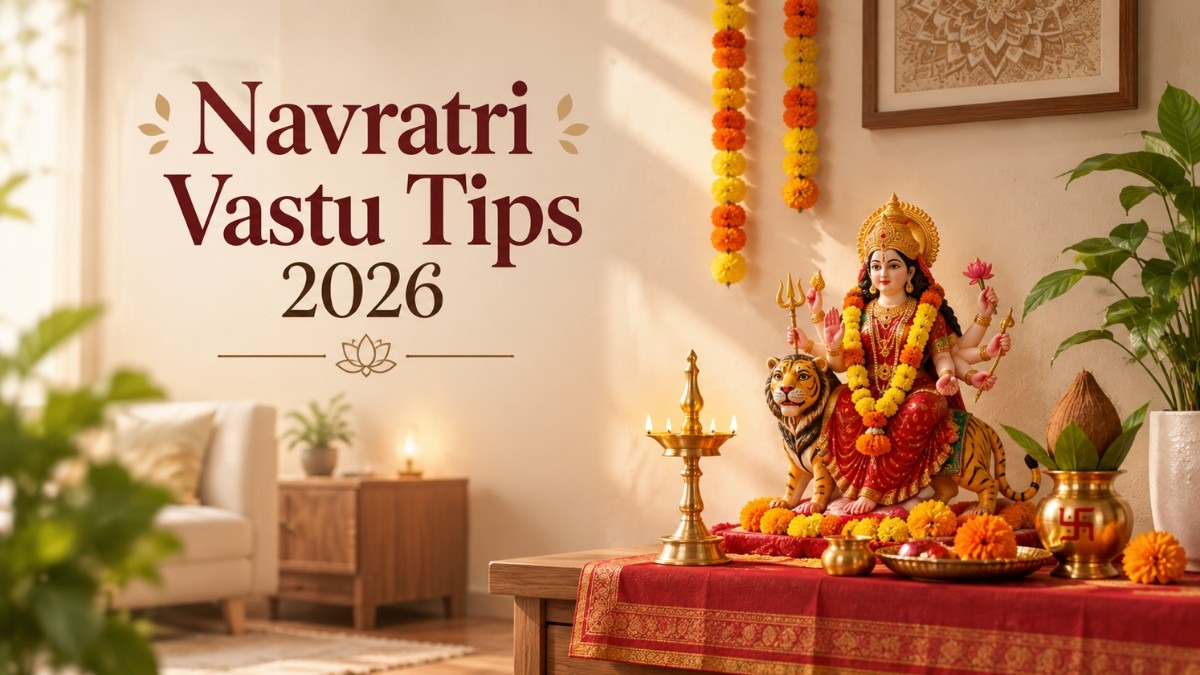
Navratri is one of the most powerful times of the year to reset the energy of your home, at least as far as Vastu Shastra is concerned. Alongside Diwali and Holi, it’s one of the festivals Hindu households treat as a genuine opportunity to invite positivity in, not just celebrate it. A few simple, well timed rituals, done in the right direction and the right spot in the house, are believed to carry real weight during these nine nights.
The festival marks the triumph of good over evil and centres on the worship of Goddess Durga in her many forms. Many households treat this window as a natural moment to clean, declutter and realign the home before the goddess arrives, which is exactly where Vastu comes in. This guide covers the Navratri 2026 dates, the right direction for your Durga idol or Kalash, Akhand Jyoti placement, and a handful of small Vastu rituals worth following this year.
- Vastu Tips for Navratri: An Overview
- Make a Swastik on the Main Door
- Tie a Toran of Mango Leaves at the Entrance
- Kalash Sthapana as per Vastu
- Light the Akhand Jyoti Correctly
- Plant a Tulsi Near the Pooja Space
- Kanya Puja: A Few Vastu Points to Keep in Mind
- Navratri 2026 Colours, Day by Day
- Wrapping Up
- You May Also Like
Vastu Tips for Navratri: An Overview
Besides Holi and Diwali, Navratri holds real weight in Hindu households. It’s a nine night festival, considered auspicious right from the close of Pitru Paksha, and it marks the victory of good over evil.
Devotees believe worshipping Goddess Durga across these nine days brings blessings and, in some traditions, a step toward salvation. The nine nights are commonly split across three goddesses: Durga for strength and power, Lakshmi for wealth and prosperity, and Saraswati for wisdom and learning, though the exact day groupings can vary by region and family tradition, so it’s worth checking with your own priest if you follow a specific sequence.
Make a Swastik on the Main Door
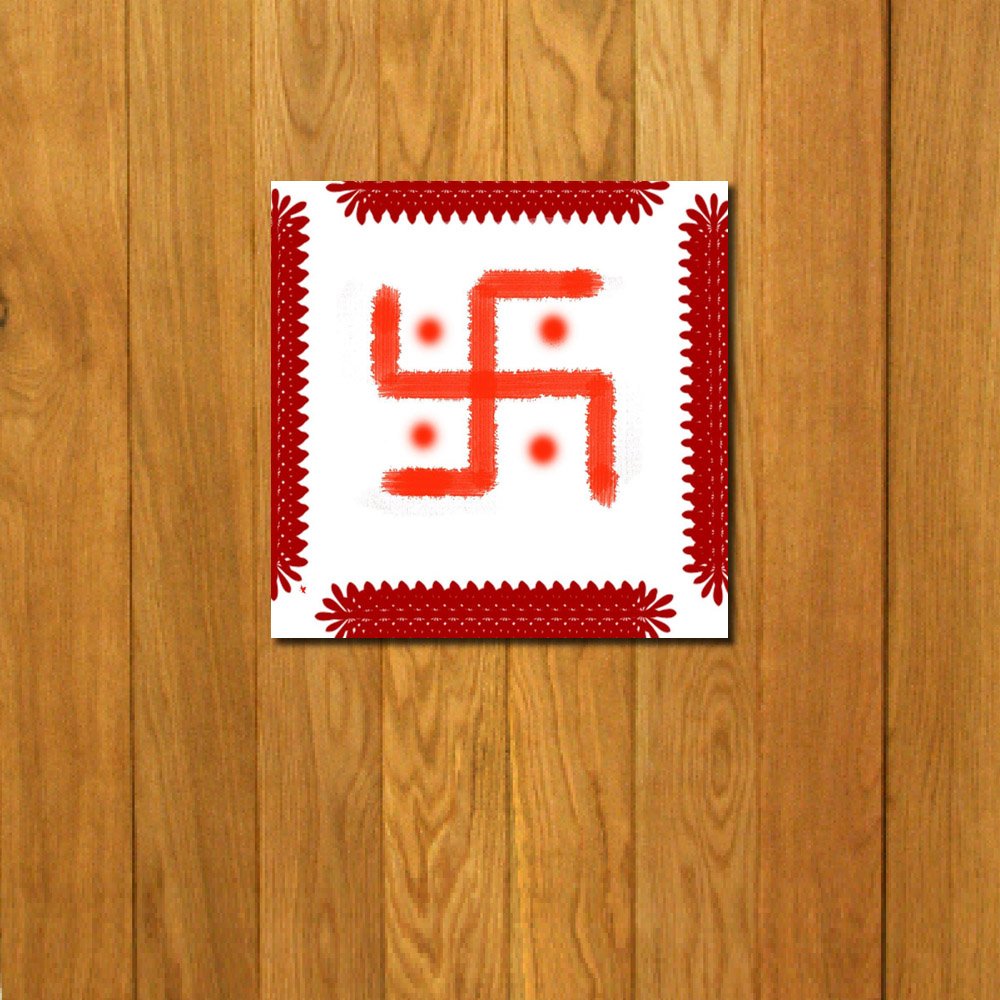
A Swastik at the main door is considered auspicious, associated with luck and prosperity, and is believed to ease away sorrow and ill health from the household.
As per Vastu, use turmeric and rice, or a red and yellow paste, to draw the symbol. This is believed to invite happiness, wealth and abundance into the home for the year ahead.
Tie a Toran of Mango Leaves at the Entrance
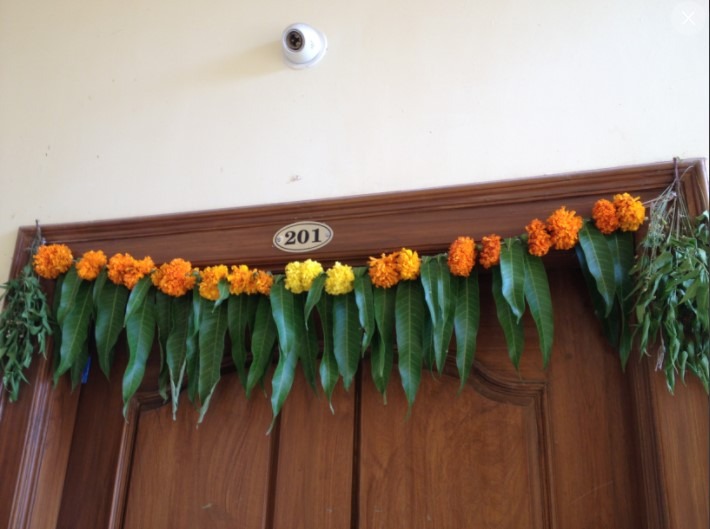
Hanging a toran, a string of mango leaves, at the main gate is believed to keep negative energy from entering the house. Mango leaves are also used through the puja itself and are considered pure.
Kalash Sthapana as per Vastu
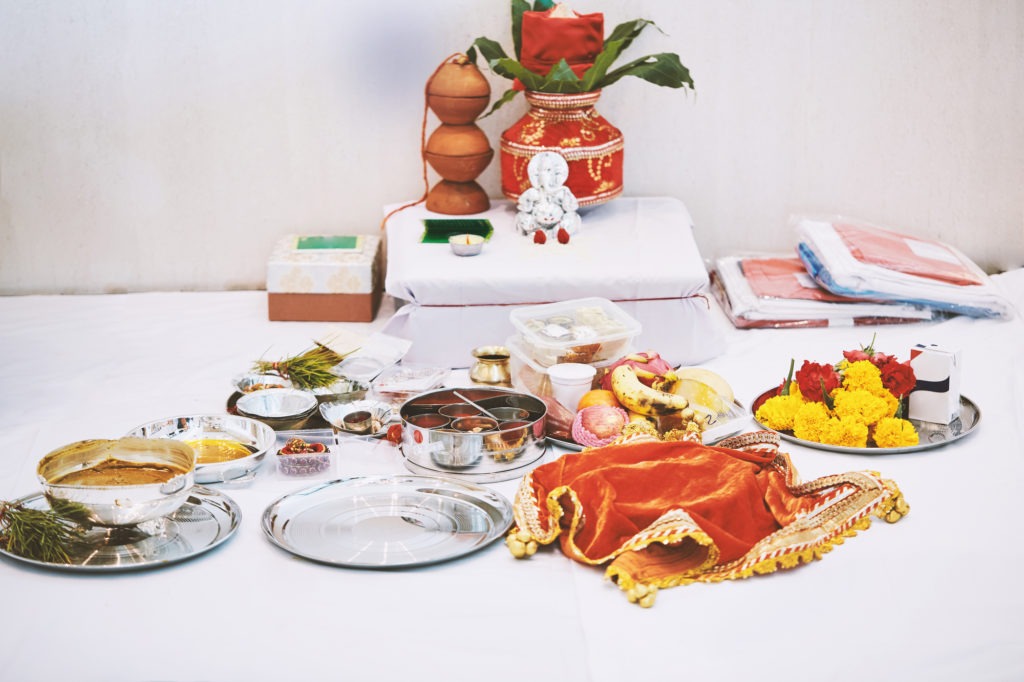
Setting up the Kalash correctly on day one matters as much as anything else in this list, and it’s the one major step the earlier version of this article didn’t cover at all.
- Place the Kalash, and the Durga idol or image alongside it, in the northeast corner of the pooja room. This corner is considered the most spiritually charged zone in the home.
- Use a raised wooden platform (a chowki), ideally sandalwood, rather than placing anything directly on the floor.
- Keep the idol facing east, and face east or north yourself while performing the puja.
- Keep the actual puja materials, flowers, incense, and offerings toward the southeast of the room, separate from the idol’s own northeast position.
- Sprinkle a little water around the walls of the puja space before the ritual begins, a small cleansing step some households still follow.
Light the Akhand Jyoti Correctly
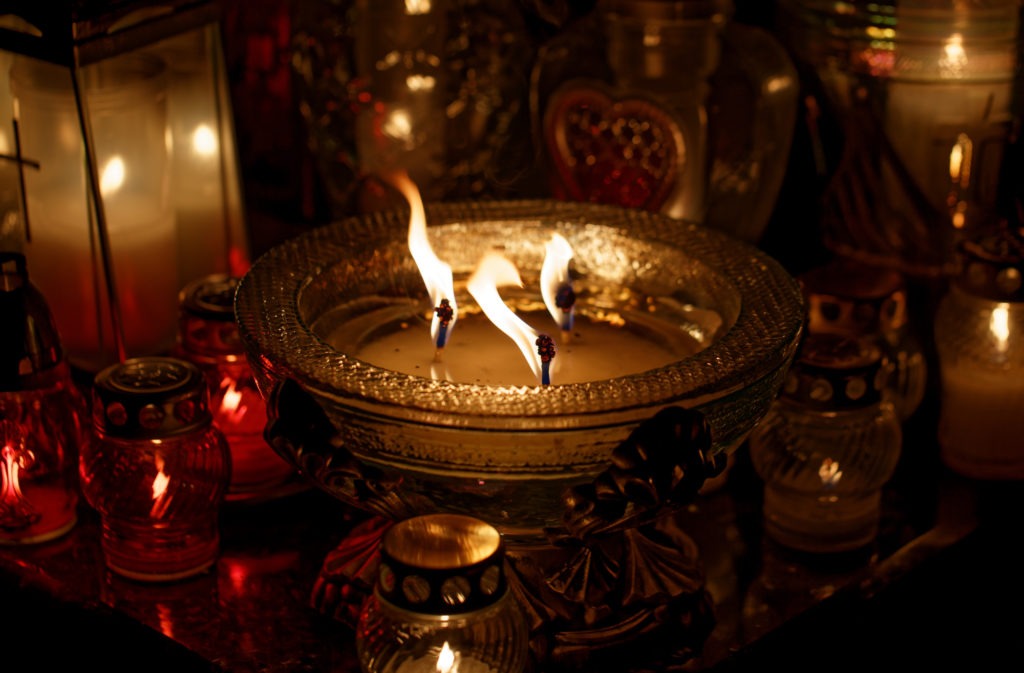
Akhand Jyoti means unbroken light, and lighting it through all nine nights of Navratri is one of the more visible rituals of the festival.
A few points worth knowing that go beyond “don’t place it on the floor”:
- Most Vastu traditions recommend lighting it in the southeast corner of the puja space, rather than directly beside the idol.
- Use a brass or earthen vessel with no cracks, and keep it slightly raised, on a small platform or even a banana leaf if a chowki isn’t available.
- Keep it topped up with ghee or oil through the nine days rather than letting it run dry, and once lit, let it burn out naturally at the end of the festival instead of extinguishing it yourself.
Plant a Tulsi Near the Pooja Space
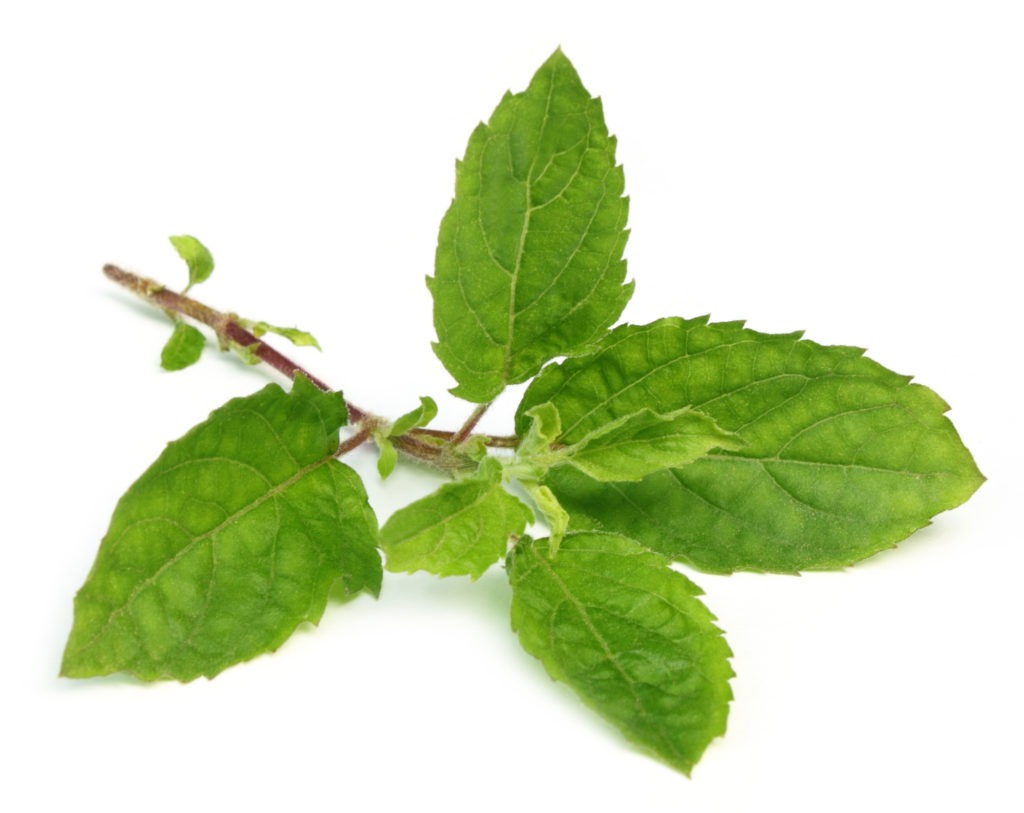
The Tulsi plant holds real significance in Hindu households, and Navratri is considered a good time to bring one in if you don’t already have one.
Keep it in the north or northeast of the house, in line with the same directional logic as the rest of the pooja space. Tulsi is also associated with warding off illness and bringing a sense of calm to the home.
Kanya Puja: A Few Vastu Points to Keep in Mind
Kanya Puja, worshipping young girls as representations of the goddess, usually falls on Ashtami or Navami and is one of the more meaningful rituals of Navratri for many families.
A few practical points: seat the girls facing east or north, wash their feet before the puja as a gesture of respect, and offer the meal on a clean plate rather than anything chipped or damaged. Offering red or yellow items, such as a chunri or bangles, alongside the meal is a common practice.

Navratri 2026 Colours, Day by Day
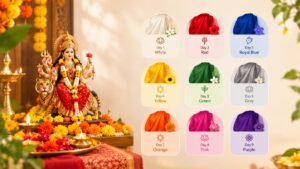
Wearing a specific colour each day of Navratri, tied to the goddess worshipped that day, is a popular tradition, especially in Maharashtra and Gujarat. The nine colours, in order, are typically: grey, orange, white, red, royal blue, yellow, green, peacock green and pink, each tied to one of the nine forms of Durga (the Navadurga). Many households use this sequence for outfits, rangoli and home decor through the nine days rather than sticking to just red and yellow throughout.
Wrapping Up
Getting Navratri Vastu right doesn’t require an elaborate overhaul of the house, just a handful of details done properly: the Kalash and Durga idol in the northeast, facing east, puja materials kept toward the southeast, the Akhand Jyoti placed and maintained correctly, and the main door welcomed with a Swastik and a mango leaf toran. With Sharad Navratri 2026 expected around October 11 to 20, this is a good time to plan these small rituals ahead rather than scrambling on day one. As always with festival dates, confirm the exact Ghatasthapana muhurat with your local panchang closer to the date.
You May Also Like
Frequently Asked Questions:
1. When is Navratri 2026?
Sharad Navratri 2026 is expected to run from around October 11 to October 20, with Vijayadashami closing the festival. The dates fall later than 2025 due to an adhika masa this year, so it’s worth confirming the exact Ghatasthapana muhurat with a local panchang closer to the date.
2. Which direction should the Durga idol face at home?
Place the idol in the northeast corner of the pooja room, facing east. When you pray, face east or north rather than south.
3. Which Durga idol is good for home?
Most Vastu practitioners say any well made Durga idol works, provided it’s placed in the correct direction, on a raised platform, and kept in a clean, well maintained space rather than a cluttered or dark corner.
4. Which direction should a home mandir or pooja room face?
East or northeast is considered best. Avoid placing the mandir under a staircase or against a wall shared with a bathroom.
5. Which direction should the Akhand Jyoti be placed during Navratri?
Most Vastu traditions recommend the southeast corner of the puja space, in a brass or earthen vessel with no cracks, kept slightly raised rather than directly on the floor.
6. How many inches should a god idol be in the pooja room?
Guidance varies, but many Vastu sources suggest keeping home pooja room idols relatively small, generally not exceeding about 9 inches, so daily rituals stay manageable. If you’ve seen a stricter number quoted elsewhere, it’s worth checking with a priest for your specific tradition rather than assuming one figure applies universally.
7. What is Kanya Puja and when is it done?
Kanya Puja involves worshipping young girls as representations of the goddess, usually performed on Ashtami or Navami. Seat them facing east or north, wash their feet as a mark of respect, and serve the meal on a clean plate.