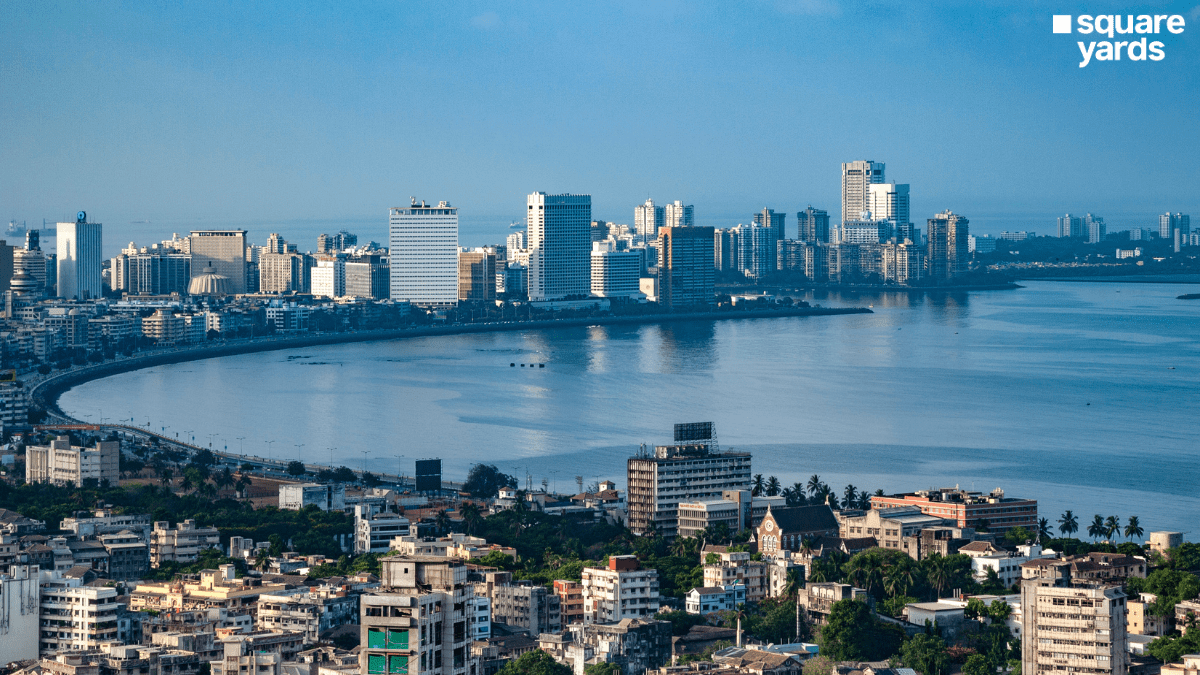
Property in Mumbai stayed in focus during the first half of 2026 as the city recorded 80,221 property registrations, its best H1 performance in more than a decade. Buyers kept the market active despite higher property prices, making it one of the strongest starts to the year for Mumbai’s housing sector. But registrations tell only part of the story.
Prices continued to move up, different parts of the city saw varied demand, and new launches remained active. Rental trends added another layer to the market. Looking at these together gives a better understanding of how Mumbai’s residential market performed in H1 2026.
Record registrations reinforce momentum in Mumbai’s residential market
Mumbai recorded 80,221 property registrations in the first half of 2026, making it the strongest H1 performance since 2013. The city also generated Rs 6,968 crore in stamp duty revenue during the period, reflecting sustained demand despite rising property values.
The registration milestone goes beyond a strong sales figure. It signals continued buyer confidence in the city’s residential market, supported by stable demand across established and emerging neighborhoods. While registrations offer an early measure of market activity, they become more meaningful when viewed alongside pricing trends, project launches, and demand across different micro-markets, all of which point to a market that has maintained its momentum through the first six months of the year.
Property prices rise for two straight quarters
Steady demand has also supported property prices in Mumbai, with average asking prices rising from Rs 35,550 per sq. ft. in September 2025 to Rs 37,700 per sq. ft. in December 2025 before reaching Rs 38,600 per sq. ft. by March 2026. The consistent increase suggests that price growth has remained gradual rather than being driven by short-term market fluctuations.
The trend aligns with the strong registration activity recorded in H1 2026, indicating that buyers have continued to participate in the market despite higher property values. Stable price appreciation also points to sustained demand across residential segments, supported by ongoing project launches and continued interest from both end-users and investors.
How Mumbai’s key micro-markets performed
Demand across residential projects in Mumbai remained broad-based, although pricing trends varied across key micro-markets. Mumbai South continued to command the highest average asking price at Rs 46,350 (psf), reflecting sustained demand for premium residential developments. Meanwhile, Mumbai Harbour recorded an average asking price of Rs 37,250 (psf), along with 3.41% year-over-year growth, highlighting steady appreciation in emerging residential pockets.
The Western Suburbs and Central Suburbs also maintained strong market activity, with average asking prices reaching Rs 34,900 (psf) and Rs 33,000 (psf), respectively. The pricing spread across these micro-markets indicates that buyer demand remained diversified, with established premium locations and developing residential hubs continuing to attract interest during H1 2026.
New launches and rentals stay active
While registrations and price appreciation point to sustained demand, new launch projects in Mumbai and rental performance provide additional context to the market’s growth. New launch projects recorded the strongest price appreciation at 4.4%, ahead of under-construction projects (2.8%) and ready-to-move homes (2%), indicating continued buyer interest in upcoming residential developments.
The rental market also remained steady, with the average rent at Rs 110 (psf) and an average rental yield of 3.42%. Apartments continued to dominate the residential segment, recording 2.3% price appreciation with an average asking price of Rs 38,600 (psf).
What H1 2026 data indicates for property in Mumbai
Mumbai’s record registration numbers in H1 2026 reflect more than strong transaction activity. Steady price appreciation, healthy demand across micro-markets, continued interest in new launches, and stable rental performance collectively point to a residential market that has remained resilient despite rising property values.
For homebuyers, the data highlights a market with diverse opportunities across established and emerging locations. For investors, consistent price growth and stable rental yields reinforce Mumbai’s long-term residential appeal. While registrations marked the headline, the broader market indicators suggest that the city’s housing sector maintained balanced growth through the first half of 2026.